
Options for Recycling and Removal of a Travel Supreme Fifth Wheel RV
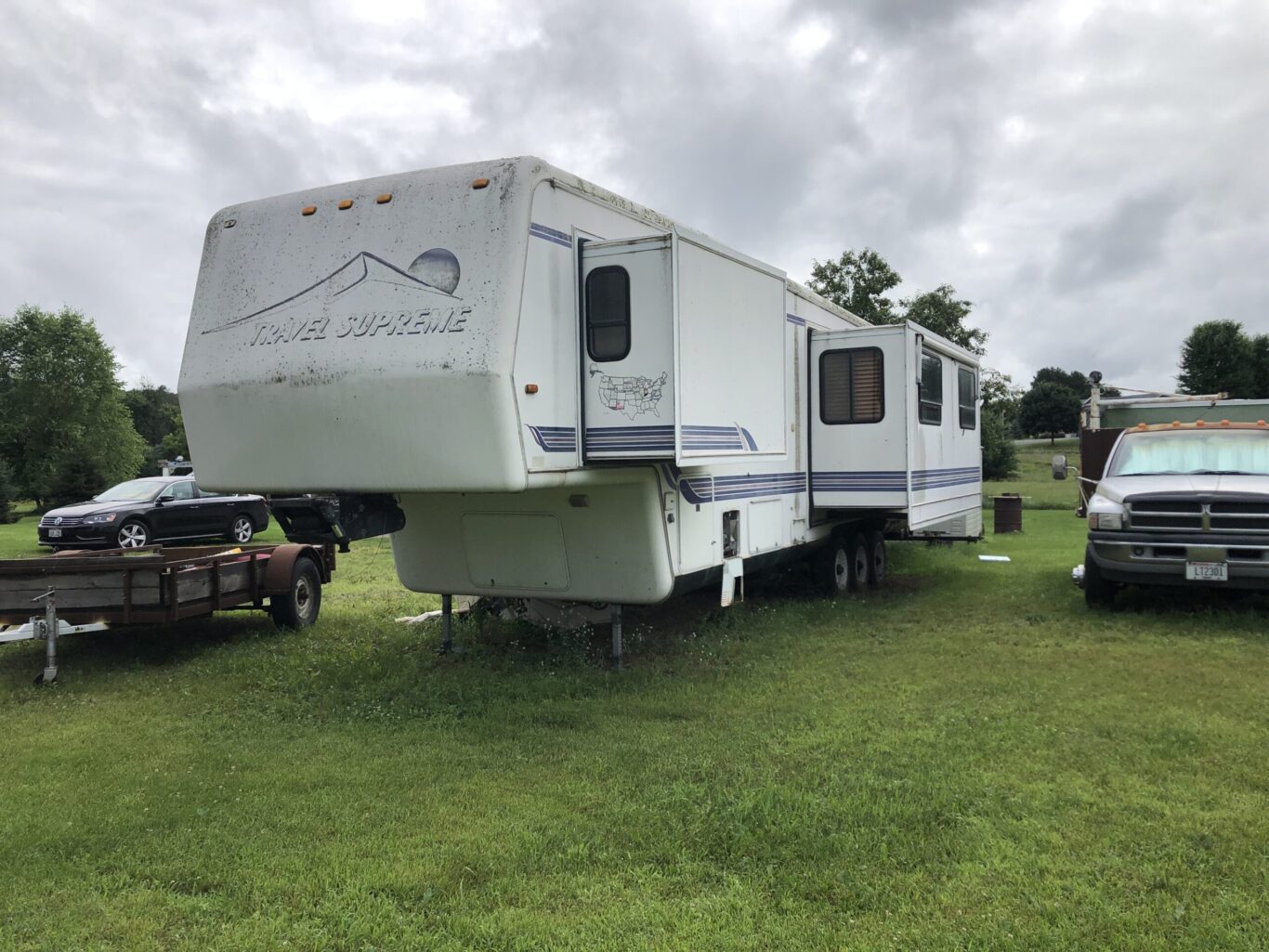
Professional RV Removal Services
- Overview: Specialized junk RV removal companies, such as RV Removers or HeyRV, offer professional services to haul away fifth wheels, including those in poor condition. These services often handle transportation, dismantling, and recycling, ensuring compliance with environmental regulations.
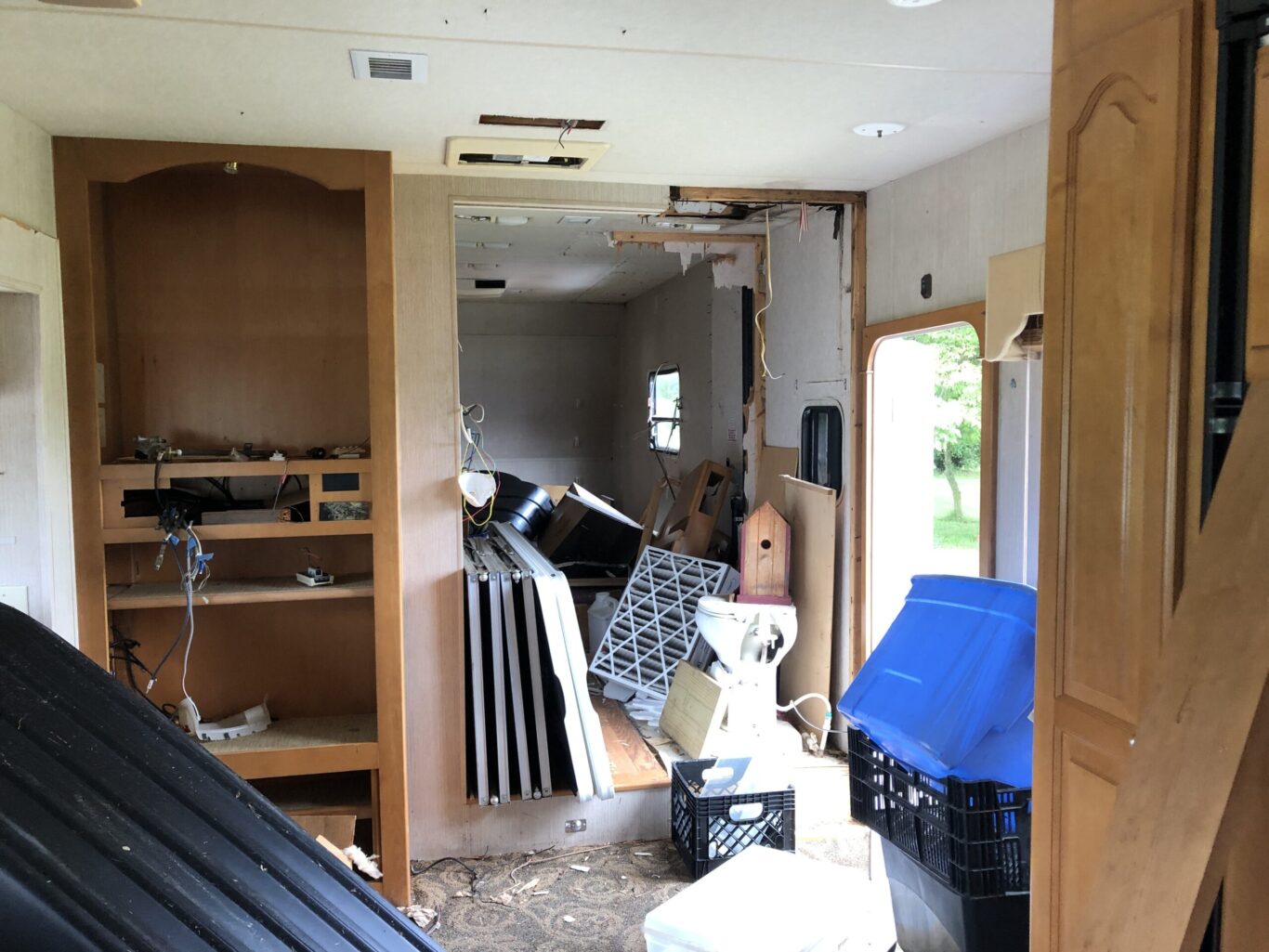
Process:
- Contact a reputable service like RV Removers (Southern California) or HeyRV (nationwide). They assess the RV’s condition, size, and location to provide a quote.
- Some services, like HeyRV, offer free removal if the RV qualifies (e.g., good condition or specific criteria met). Otherwise, costs vary based on size, distance, and disposal fees.
- For example, A+ Enterprises in Pennsylvania estimates $2,700 for a 25’ RV, including all labor, transport, and disposal fees. Larger fifth wheels, like a 40’ Travel Supreme, may cost more (e.g., $3,000-$5,000 depending on location and condition).
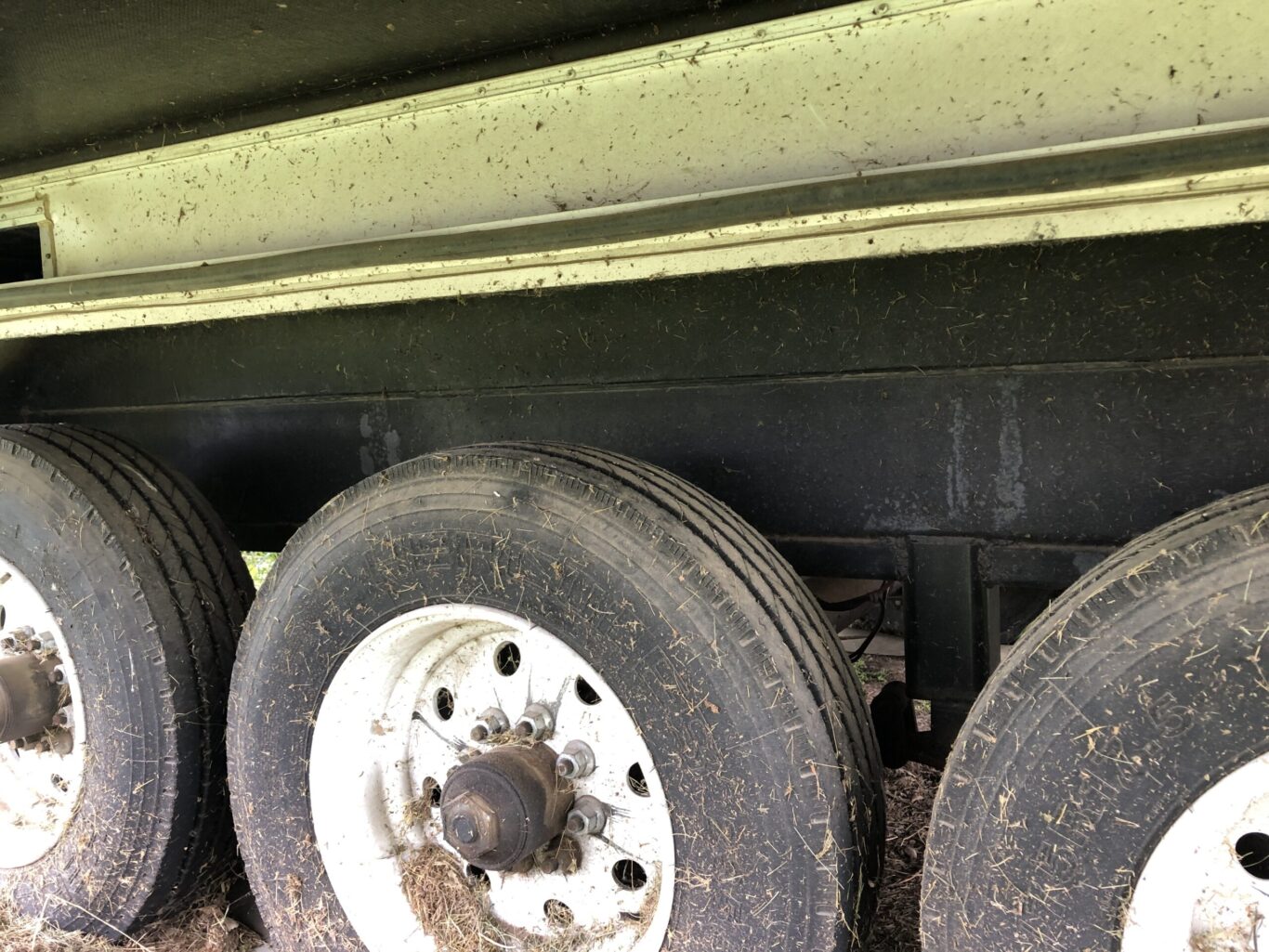
-
- Benefits:
- Hassle-free: Professionals handle towing, paperwork, and disposal.
- Eco-friendly: Many services prioritize recycling metals (aluminum, steel), plastics, and safely disposing of hazardous materials (e.g., batteries, propane tanks).
- Considerations:
- Costs can be significant for non-qualifying RVs or remote locations.
- Verify the company’s licensing and recycling practices to ensure environmental responsibility.
- Source:,,
- Benefits:
- Scrap Yards and RV Salvage Yards
- Overview: Local scrap yards or RV-specific salvage yards will purchase or accept fifth wheels for their scrap metal value or reusable parts.
- Process:
- Contact local scrap yards to confirm they accept RVs. Some require non-metal components (e.g., wood, Styrofoam) to be removed beforehand.
- RV salvage yards, like those specializing in Travel Supreme parts (e.g., Travel Supreme Parts), may buy usable components (appliances, cabinetry, hitches) or the entire RV if in decent condition.
- Expect $200-$300 for scrap value (aluminum siding, steel frame) for a typical fifth wheel, though high-end models like Travel Supreme may yield more due to quality materials (e.g., aluminum framing in post-2004 models).
- You may need to arrange towing, which adds to costs unless the yard offers pickup.
- Benefits:
- Potential to earn money from scrap or parts.
- Supports recycling by repurposing metals and components.
- Considerations:
- RVs have limited high-value recyclables (mostly aluminum and steel), so payouts are often low.
- Dismantling non-metal parts can be labor-intensive if required by the scrap yard.
- Source:,,
- Donating to Charities or Nonprofits
- Overview: If the Travel Supreme fifth wheel is in decent condition, charities like Habitat for Humanity or Goodwill may accept it for resale or conversion (e.g., temporary housing).
- Process:
- Verify the RV’s condition (functional appliances, no major structural damage) and contact organizations to confirm acceptance.
- Charities often provide free towing and issue a donation receipt for tax deductions.
- Nonprofits may repurpose the RV for disaster relief or housing projects, especially if it’s a spacious model like a 40’ Travel Supreme.
- Benefits:
- Free removal and potential tax benefits.
- Supports a good cause and keeps the RV out of landfills.
- Considerations:
- Most charities only accept RVs in usable condition, which may not apply to heavily damaged or old units.
- Paperwork (e.g., title transfer) is required, so ensure you have a clear title.
- Source:,,
- DIY Dismantling and Recycling
- Overview: For those with time and skills, dismantling the RV yourself allows you to sell valuable parts and recycle materials separately.
- Process:
- Step 1: Assess and Document: Inspect the RV for reusable parts (e.g., fridge, furnace, stove, plumbing fixtures, hitch). Document condition with photos for resale or scrap negotiations.
- Step 2: Remove Hazardous Materials: Safely extract batteries, propane tanks, and fluids (oil, coolant) and take them to certified recycling centers to avoid environmental contamination.
- Step 3: Salvage Valuable Components: Remove high-value items like appliances, copper wiring, inverters, or solar panels. These can be sold on platforms like eBay or Craigslist.
- Step 4: Scrap Metal: Dismantle the aluminum siding, steel frame, and other metals. Take them to a scrap yard for payment (aluminum is particularly valuable in Travel Supreme models post-2004 due to their aluminum framing).
- Step 5: Dispose of Non-Recyclables: Rent a roll-off dumpster (e.g., from Waste Removal USA) for non-recyclable materials like wood, Styrofoam, or fiberglass. Some landfills may accept these, but check local regulations.
- Benefits:
- Maximizes profit by selling parts and scrap separately.
- Full control over the recycling process to ensure eco-friendliness.
- Considerations:
- Labor-intensive and requires tools, safety precautions, and knowledge of RV construction.
- Transportation costs for non-drivable RVs can be high.
- Local landfill regulations may restrict RV disposal, requiring pre-dismantling.
- Source:,,
- Repurposing or Giving Away for Free
- Overview: If the RV is in usable condition, you can repurpose it (e.g., as a backyard office, guest house, or rental unit) or give it away for free on platforms like Craigslist.
- Process:
- Repurposing: Convert the RV into a stationary structure for personal use or rental (e.g., on VRBO/Airbnb). Remove road-going components (tires, axles) and renovate the interior. This is ideal for Travel Supreme models with high-end interiors (e.g., maple wood cabinetry).
- Giving Away: List the RV on Craigslist, Facebook Marketplace, or local classifieds for free, specifying “must tow.” Some individuals may take it for conversion projects or parts.
- Benefits:
- Repurposing extends the RV’s life and can generate income.
- Free giveaways avoid disposal costs, though towing is the recipient’s responsibility.
- Considerations:
- Repurposing requires investment in repairs/renovations.
- Free giveaways may attract unreliable takers, and title transfer is still needed.
- Source:,,
- Donating for Training Purposes
- Overview: Technical colleges or fire departments may accept old RVs for training (e.g., RV technician programs or fire/rescue drills).
- Process:
- Contact local technical schools or fire departments to inquire about donation programs.
- They typically handle towing and provide a tax receipt.
- Benefits:
- Free removal and potential tax deduction.
- Supports community training programs.
- Considerations:
- Limited to institutions with specific programs.
- RV condition may still need to meet basic criteria.
- Source:
Environmental Considerations
- Why It Matters: RVs contain hazardous materials (batteries, propane, oils) that can contaminate soil and water if not disposed of properly. Recycling metals and plastics reduces landfill waste and conserves resources.
- Best Practices:
- Choose services or yards that prioritize green recycling (e.g., RV Removers, HeyRV).
- Ensure hazardous materials are handled by certified facilities.
- Separate recyclable materials (aluminum, steel, copper) to maximize reuse.
- Travel Supreme Specifics: Post-2004 Travel Supreme fifth wheels often use aluminum framing, which is highly recyclable and valuable. Their high-end components (e.g., maple cabinetry, premium appliances) are also ideal for salvage or repurposing.
- Source:,,
Steps to Prepare for Removal
- Assess Condition: Check structural integrity, appliances, and hazardous materials. Determine if it’s roadworthy or requires towing.
- Gather Paperwork: Ensure you have a clear title for transfer. If the title is missing, contact your local DMV for replacement procedures.
- Remove Personal Belongings: Clear out all items to avoid delays or liability.
- Contact Multiple Providers: Get quotes from removal services, scrap yards, or salvage yards. Compare costs and recycling practices.
- Verify Legal Requirements: Check local regulations for RV disposal, including title transfer and hazardous material handling.
- Schedule Removal: Coordinate with the chosen service or buyer, ensuring they handle towing if the RV is non-drivable.
Travel Supreme-Specific Tips
- Brand Value: Travel Supreme fifth wheels (e.g., Classic, Select models) are known for high-quality construction, including solid wood cabinetry and aluminum framing (post-2004). This increases their salvage value for parts or scrap.
- Parts Market: Contact Travel Supreme Parts (travelsupremeparts.com) for selling usable components or getting repair advice if considering resale.
- Market Demand: Check RV Trader for demand for used Travel Supreme fifth wheels. Even older models (e.g., 2005 40RLT) may attract buyers if in good condition.
- Size Considerations: Travel Supreme fifth wheels range from 36’ to 45’, requiring heavy-duty towing equipment, which may increase removal costs.
Cost Estimates
- Professional Removal: $1,500-$5,000, depending on size (e.g., 25’ vs. 40’) and location. Free if the RV qualifies for services like HeyRV.,
- Scrap Value: $200-$500 for metal (higher for aluminum-heavy models).
- DIY Dismantling: $500-$1,500 for dumpster rental, tools, and transport, offset by part sales.
- Donation/Giveaway: $0, plus potential tax deductions.
Recommended Approach
- If in Good Condition: Try selling on RV Trader, donating to a charity, or repurposing for rental use to maximize value.
- If in Poor Condition: Contact a professional removal service like HeyRV for free or low-cost removal, or dismantle and recycle through a scrap yard for eco-friendly disposal.
- For Eco-Conscious Owners: Prioritize services with green recycling practices and ensure hazardous materials are handled properly.