
Why RV Owners Are Ditching Their Pull-Behind Campers: The Top 10 Surprising Reasons Revealed
Pull-behind campers (also known as travel trailers or RVs) promise adventure and freedom, but many owners end up selling them sooner than expected. Based on insights from RV forums, sales trends, and owner experiences, here are the most common reasons people decide to part ways. If you’re considering buying one, these could save you from buyer’s remorse!
- Not Using It Enough: Life gets busy—work, family, or simply preferring other vacations means the camper sits unused in storage, racking up fees without delivering value. Many owners report using it far less than anticipated after the initial excitement fades.
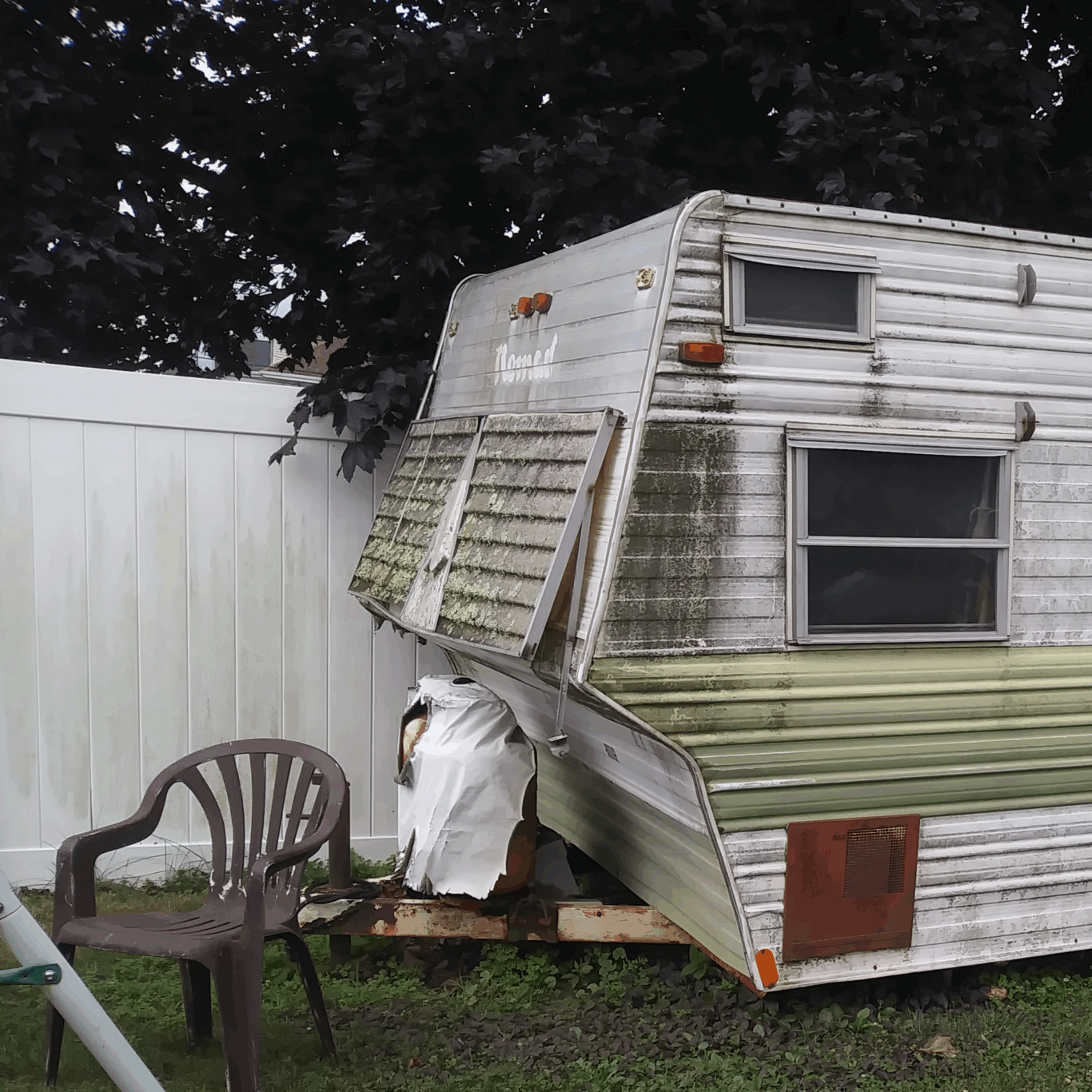
- High Maintenance and Repair Costs: These trailers require ongoing upkeep, from tires and brakes to fixing leaks or electrical issues. Poor build quality leads to frequent breakdowns, and repairs can cost thousands, especially as warranties expire.
- Impulse Buy Regret from the Pandemic Era: A surge in purchases during COVID-19 lockdowns led to “COVID-campers” who thought RV life was cheaper or more glamorous. As normal life resumed, many realized it wasn’t sustainable and flooded the market with barely used models. 2 sources
- Crowded Campgrounds and Booking Hassles: Popular sites are overbooked months in advance, with gridlock at entrances and noisy neighbors ruining the peace. Post-pandemic demand has made spontaneous trips nearly impossible.
2 sources
- Family or Lifestyle Changes: Kids outgrow camping, lose interest in favor of sports or tech, or families find it harder to coordinate trips. Some owners upgrade to larger homes or shift to hotel stays for convenience.
- Towing and Setup Frustrations: Hauling a heavy trailer stresses vehicles, increases fuel costs, and makes driving stressful. Setup and teardown at each site feels like a chore, especially for weekend warriors who spend more time prepping than relaxing.
- Health or Physical Limitations: Aging or injuries make towing, hitching, or maintaining the camper difficult. Back pain from setup or poor ergonomics is a common complaint, pushing owners to simpler travel options. 2 sources
- Economic Pressures and Depreciation: Rising fuel, insurance, and storage costs amid inflation or recession make ownership unaffordable. Trailers depreciate quickly, often losing half their value in a few years, leaving owners underwater on loans.
- Pest and Environmental Issues: Rodents love chewing on wiring (especially soy-based materials in newer models), causing expensive damage. Harsh weather exposure accelerates wear, and some owners cite environmental concerns like high carbon footprints.
- Desire to Upgrade or Downsize: After a few seasons, owners want newer features, more space, or something easier like a motorhome. Others downsize to vans or tents, realizing a full trailer is overkill for their needs.