
Eco-Friendly Recycling and Hauling for Monaco Windsor RVs
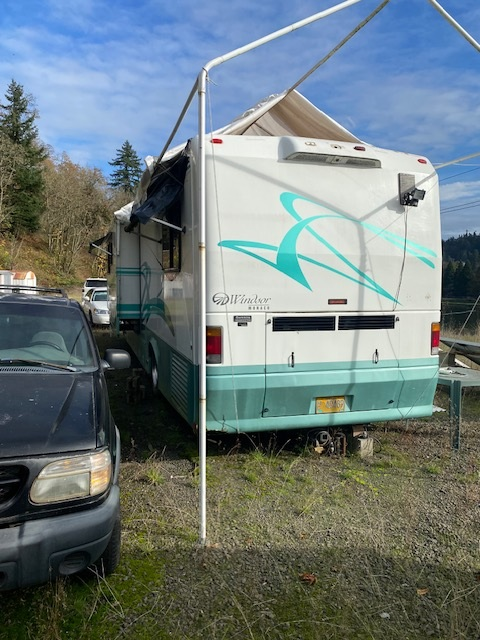
Responsible Disposal for Your Classic Ride
At Arwood Site Services, we understand the sentimental value of your Monaco Windsor RV—a pinnacle of luxury motorhome engineering from the early 2000s. Whether it’s time to part ways due to wear, upgrades, or life changes, our expert team provides seamless hauling and recycling services across the US. We prioritize sustainability, ensuring up to 80-90% of your RV’s materials are diverted from landfills through salvaging, recycling, and eco-conscious disposal. No hidden fees, hassle-free pickup, and full compliance with environmental regulations. Contact us today for a free quote and let us handle the heavy lifting while honoring your Windsor’s legacy.
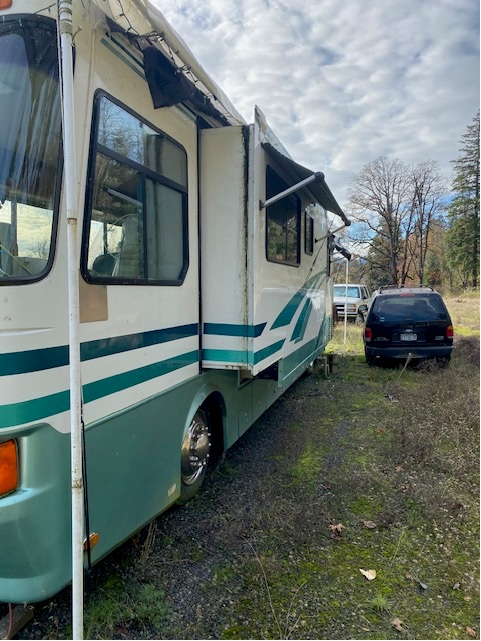
Manufacturing History of the Monaco Windsor RVThe Monaco Windsor RV represents a storied chapter in American RV innovation, born from Monaco Coach Corporation’s commitment to luxury and durability. Here’s a chronological overview of its development:
| Year/Period | Key Milestone |
|---|---|
| 1968 | Monaco Coach Corporation founded in Junction City, Oregon, as Caribou Manufacturing Company by entrepreneurs Bob Lee, Ray Mehaffey, Glenn Hancock, and John McCabe. Initially focused on towable campers for the booming outdoor recreation market. |
| Late 1990s | Monaco expands into high-end Class A diesel pushers, laying the groundwork for premium models like the Windsor. The company opens production facilities in Elkhart, Indiana (1991 and 1994), boosting capacity for luxury builds. |
| 2000 | Introduction of the Windsor model line, featuring Roadmaster chassis with side radiator, semi-monocoque tubular steel construction (backed by a 5-year warranty), and 10,000 lb hitch receivers. Designed for upscale travelers, it emphasized handcrafted interiors with customizable styles, colors, and fabrics. |
| 2000s | Peak production era; Windsor becomes a flagship for Monaco’s diesel pusher lineup, incorporating full steel cage construction until 2002 and later Roadmaster S-Series chassis. Monaco acquires brands like Beaver and Safari, solidifying its luxury market dominance. |
| 2009 | Monaco faces bankruptcy amid economic downturn; assets acquired by Navistar (Workhorse), marking the end of original Windsor production. The brand’s legacy continues under REV Group, influencing modern RVs. |
This history underscores the Windsor’s robust build—ideal for recycling, as its steel and aluminum components yield high scrap value.Detailed Recycling Process for Your Windsor RVRecycling a Monaco Windsor RV isn’t just disposal; it’s a resource recovery mission. Our process maximizes material reuse, minimizes waste, and ensures safe handling of all components. On average, we recover metals for scrap, parts for resale, and divert hazardous items from the environment. Here’s how we do it, step by step:
- On-Site Assessment and Pickup: Our team arrives with heavy-duty towing equipment for safe, insured hauling. We inspect for salvageable parts (e.g., appliances, furniture, tires) and note the VIN for title transfer and proof of disposal.
- Dismantling and Salvage: At our certified facility, we carefully disassemble the RV. Usable components—like engines, generators, cabinetry, and electronics—are removed and tested for resale through RV salvage networks or online marketplaces, extending their life cycle.
- Material Separation and Recycling:
- Metals (70-80% of weight): Steel frame, aluminum siding, and chassis sections are sheared and sent to certified scrap yards for melting and repurposing into new vehicles or construction materials.
- Plastics and Composites: Exterior panels and interior trim are sorted by type (e.g., fiberglass, PVC) and processed at specialized facilities for downcycling into roofing or automotive parts.
- Glass and Fabrics: Windows and upholstery are crushed or shredded for aggregate use in roads or textile recycling programs.
- Wood and Insulation: Cabinetry and foam are chipped for biomass energy or mulch, where feasible.
- Hazardous Materials Handling: Batteries, propane tanks, refrigerants, oils, and chemicals are extracted by EPA-certified pros and sent to licensed disposal sites—preventing soil and water contamination.
- Final Disposition and Reporting: Non-recyclable remnants (under 10-20%) go to secure landfills. You receive a detailed recycling certificate outlining diverted materials, weights, and environmental impact for tax or records purposes.
By choosing our service, you’re not just clearing space—you’re contributing to a circular economy. Windsor RVs, with their durable steel construction, recycle exceptionally well, often yielding 1,000-2,000 lbs of reusable metal per unit. Ready to recycle? Text 904-305-7534