
Guide to Recycling Your Fifth Wheel Camper: Sustainable Disposal and Reuse Options
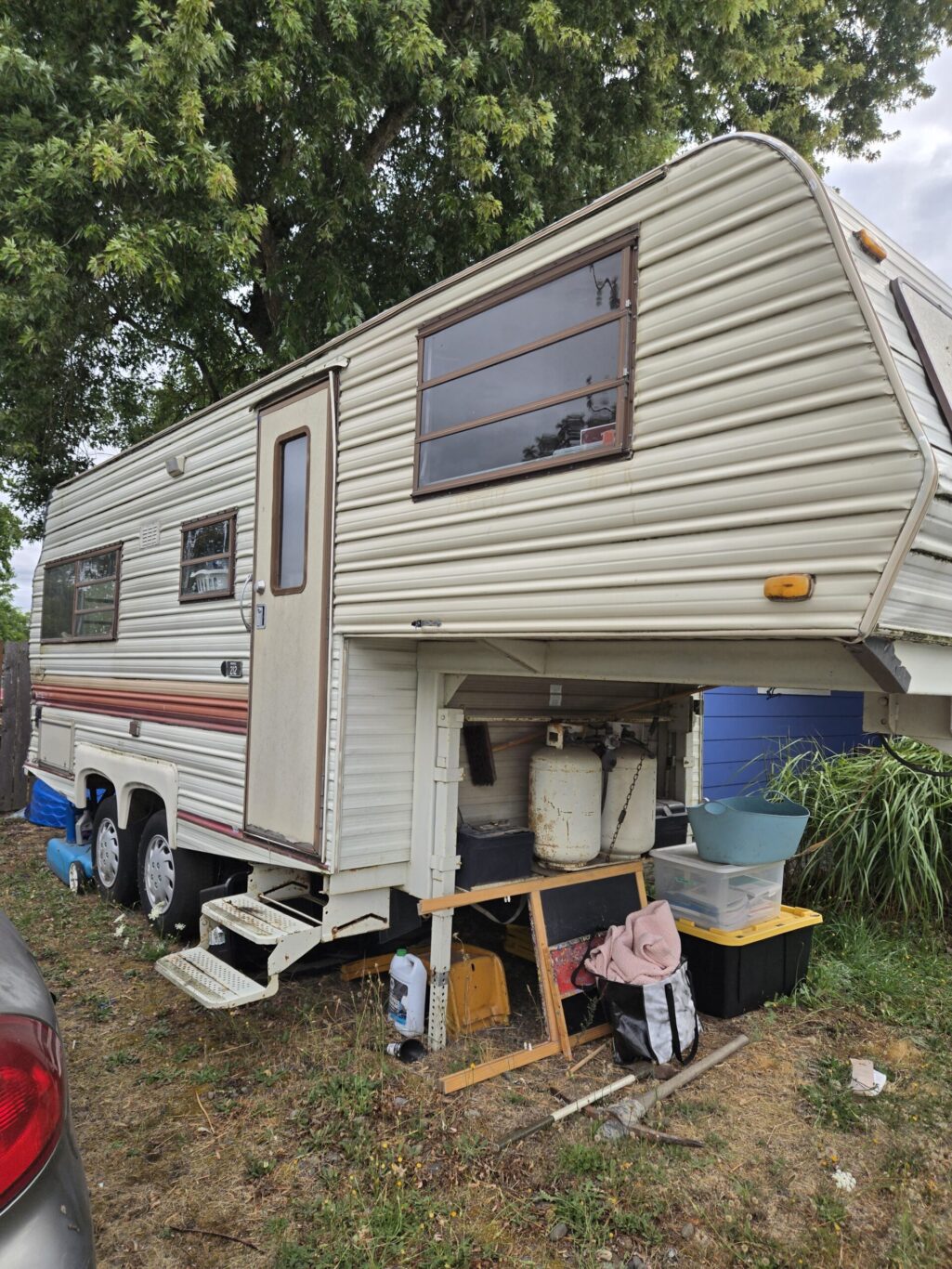
IntroductionA fifth wheel camper, often referred to as a fifth wheel trailer or RV, is a popular type of recreational vehicle designed to be towed by a pickup truck using a special hitch mounted in the truck bed. These campers provide spacious living quarters for camping, road trips, and even full-time living. However, like any vehicle, fifth wheel campers can reach the end of their usable life due to age, damage from accidents, or wear and tear. When that happens, responsible recycling is essential to minimize environmental impact, recover valuable materials, and comply with local waste regulations.
Recycling a fifth wheel camper involves breaking it down into its component parts—such as metals, plastics, wood, and fabrics—and diverting as much as possible from landfills. This process not only conserves resources but also reduces pollution from improper disposal. In this guide, we’ll walk you through the steps for recycling your fifth wheel camper, explore various options, and highlight professional services that can assist.
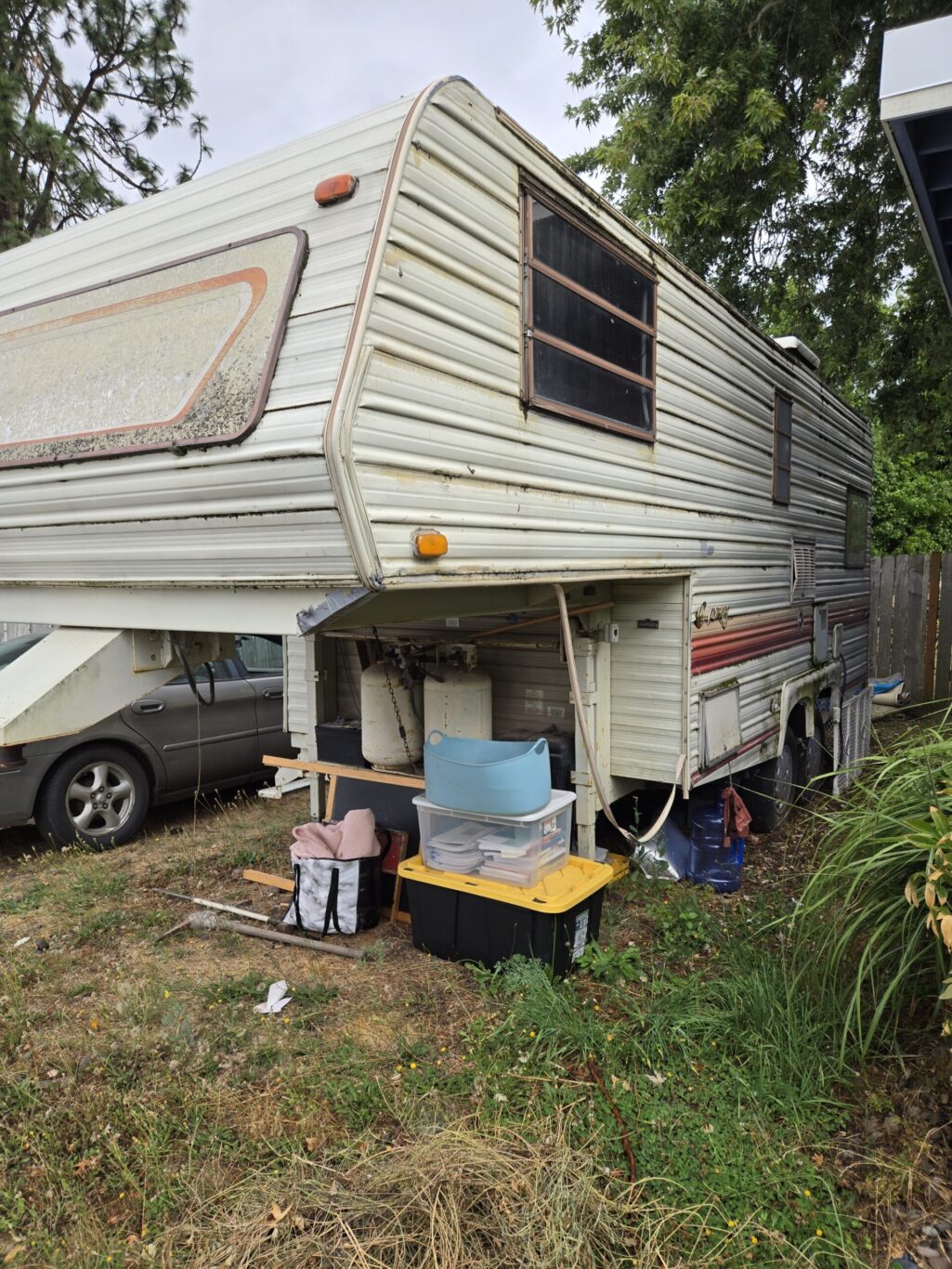
Why Recycle Your Fifth Wheel Camper?Recycling an old or junked fifth wheel camper offers several benefits:Environmental Protection: RVs contain materials like aluminum, steel, fiberglass, and rubber that can take centuries to decompose in landfills. Recycling prevents harmful chemicals from leaching into soil and water.
Resource Recovery: Metals and other components can be reused in manufacturing, reducing the need for raw materials and energy consumption.
Cost Savings: Selling scrap parts or using donation programs can offset disposal costs, and some services offer free removal.
Legal Compliance: Many areas have strict rules against abandoning RVs, and improper disposal can lead to fines.
By choosing to recycle, you’re contributing to a circular economy and promoting sustainability in the RV community.
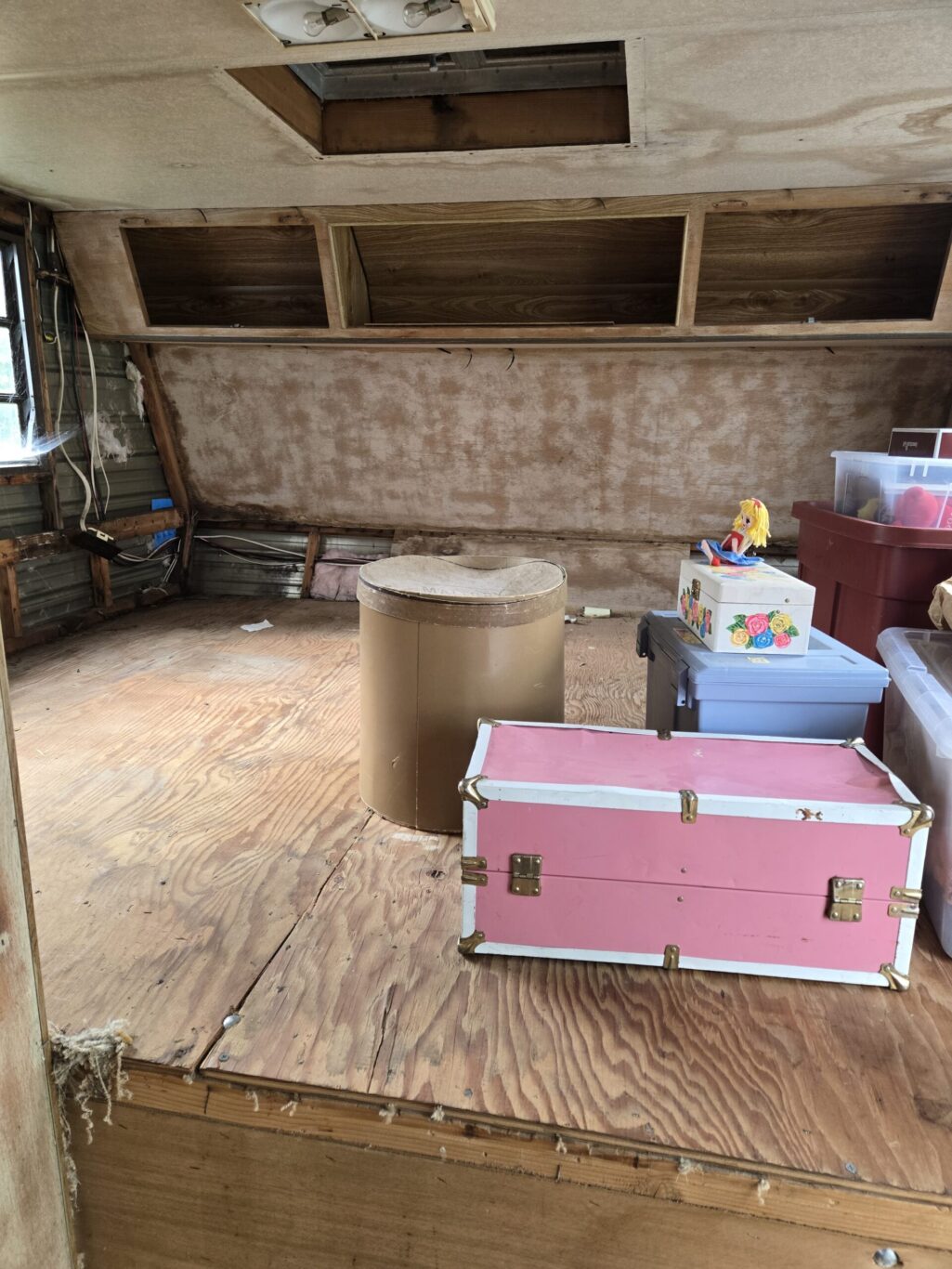
Steps to Recycle a Fifth Wheel CamperFollow these step-by-step instructions to ensure a smooth and eco-friendly recycling process:Assess the Condition: Determine if your camper is salvageable. If it’s in decent shape, consider selling it on platforms like Craigslist or RV Trader, or donating it to charities that refurbish vehicles for those in need.
If it’s beyond repair, proceed to scrapping.
Remove Valuable Parts: Before full disposal, strip out reusable items such as appliances (fridges, stoves), batteries, tires, and furniture. These can be sold separately at salvage yards or online. For example, aluminum siding and frames are highly valuable for scrap metal recycling.
Separate Materials: Break down the camper into categories:Metals: Aluminum, steel, and copper from wiring and frames—take to a metal recycling center.
Plastics and Fiberglass: These can be recycled at specialized facilities, though availability varies by location.
Wood and Fabrics: Interior panels and upholstery may need to go to a landfill if not recyclable, but check for composting options.
Hazardous Waste: Properly dispose of fluids like oil, antifreeze, and propane tanks at designated hazardous waste sites.
Renting a large dumpster (e.g., a 40-yard container) can help manage debris during this process.
Choose a Disposal Method:Scrap Yards or Salvage Yards: Search for “RV salvage near me” to find facilities that accept fifth wheels. They often pay for scrap value and handle dismantling.
Professional Removal Services: Companies specializing in junk RV removal can tow away your camper for free or a fee, ensuring eco-friendly recycling.
Arwood Site Services, for instance, offers RV salvage, removal, and recycling with nationwide coverage across the United States, prioritizing eco-friendly practices like material recovery and proper waste management.
Landfill or Dumpster Rental: As a last resort, haul non-recyclable parts to a landfill, but always check local regulations.
Donation or Giveaway: If the camper is intact, organizations may accept it for tax-deductible donations.
Handle Legal Aspects: Obtain any necessary permits for towing or disposal. If the camper has a title, transfer it to the new owner or salvage yard. For abandoned units on your property, follow local abandonment laws to avoid liability.
Tips for SuccessSafety First: Wear protective gear when dismantling, and use proper tools to avoid injury.
Cost Considerations: Expect fees for towing (if not free) or dumpster rentals, but scrap sales can help cover them.
Eco-Friendly Focus: Partner with services that emphasize recycling, like Arwood Site Services, which provides nationwide coverage for waste management and site needs, including RV disposal.
Local Resources: Contact your city’s recycling center or use online directories for RV-specific options.
Recycling your fifth wheel camper doesn’t have to be overwhelming. With careful planning and the right partners, you can turn an old RV into valuable resources while protecting the planet. For professional assistance, consider reaching out to nationwide providers like Arwood Site Services for a seamless experience.