
Q&A: Removal and Recycling of an Old Camper
Q: What options do I have for dealing with an old camper that’s no longer usable?
A: If your camper is beyond repair or you simply don’t want it anymore, common options include selling it for parts, donating it to a charity if it’s in decent condition, or opting for professional removal and recycling. Removal services can haul it away, and recycling focuses on salvaging materials like metal, fiberglass, and appliances to reduce waste.
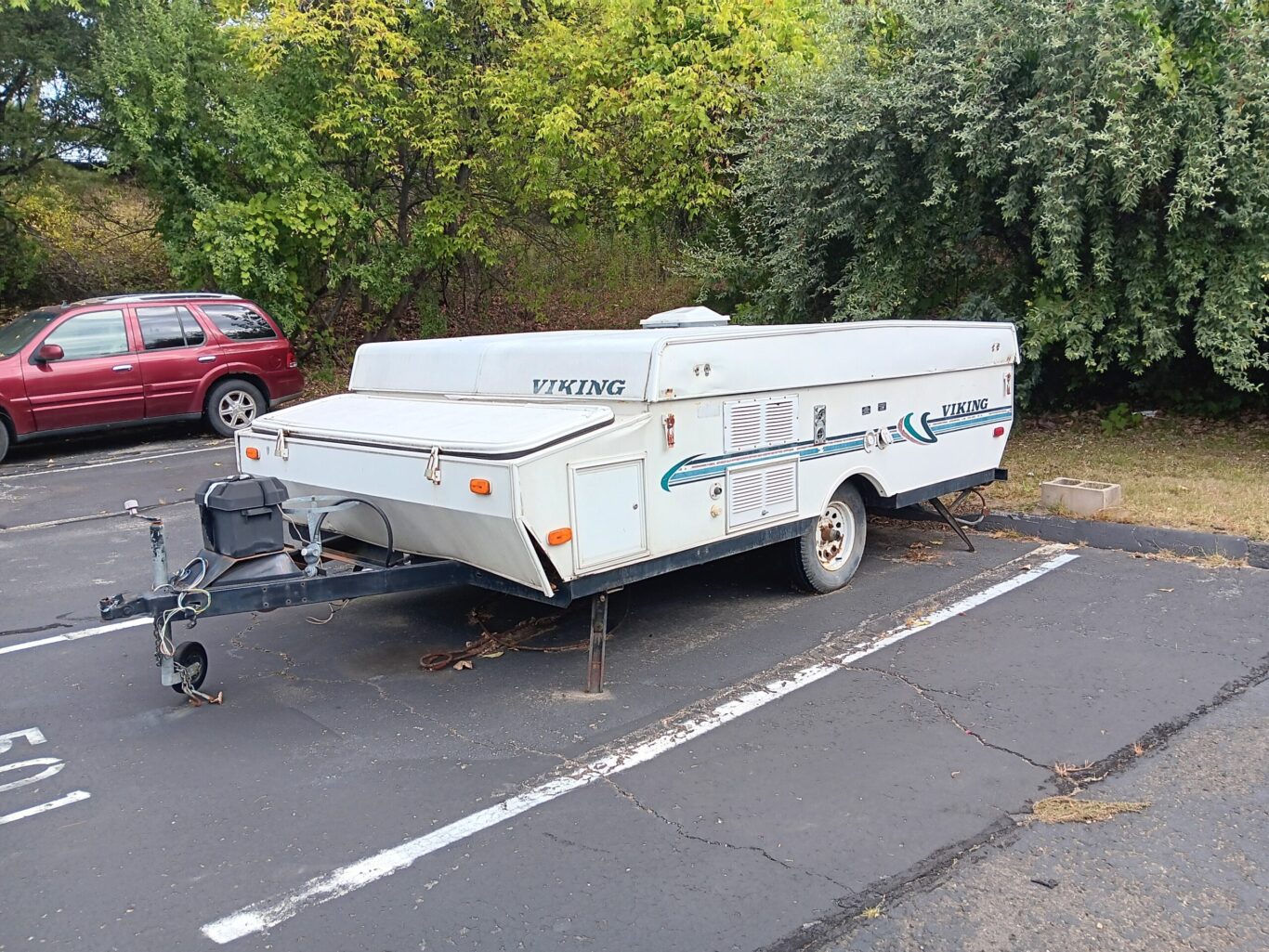
Q: How do I prepare an old camper for removal?
A: Start by emptying the camper of all personal items, appliances, and hazardous materials like propane tanks or batteries. Disconnect any utilities, such as water or electrical hookups. If it’s on your property, ensure there’s clear access for towing or hauling equipment. It’s also a good idea to document the camper’s condition with photos for any potential tax deductions if donating or recycling.
Q: Are there professional services available for removing an old camper?
A: Yes, many junk removal and demolition companies specialize in camper removal. For instance, Arwood Site Services has a nationwide footprint in removing unwanted recreational campers, offering services that include hauling away RVs, pull-behind campers, and slide-out units from properties across the U.S.
Q: Can an old camper be recycled, and why is it important?
A: Absolutely, most parts of a camper can be recycled. Metals like aluminum and steel from the frame, wiring, and appliances can be melted down and reused, while fiberglass panels and wood interiors may be repurposed or processed at recycling facilities. Recycling is important because it prevents campers from ending up in landfills, reduces environmental impact, and conserves resources by reclaiming valuable materials.
Q: What are the steps involved in recycling an old camper?
A: The process typically starts with disassembly: removing reusable parts like tires, windows, or furniture for resale or donation. Then, hazardous waste (e.g., fluids, batteries) is safely disposed of. The remaining structure is crushed or shredded at a recycling center, where materials are sorted—metals go to smelters, plastics to processors, and non-recyclables to proper waste management. Professional services often handle this end-to-end.
Q: How much does it cost to remove and recycle an old camper?
A: Costs vary based on the camper’s size, location, and condition, but expect to pay between $500 and $2,000 for removal services, including towing and disposal fees. Recycling might add minimal extra costs if specialized facilities are needed, but some services bundle it in. Factors like distance to a recycling center or permits can influence the price—always get quotes from multiple providers.
Q: Are there any environmental considerations when removing and recycling a camper?
A: Yes, improper disposal can lead to soil and water contamination from leaking fluids or chemicals. Choosing certified recycling services ensures compliance with environmental regulations. Many companies prioritize green practices, such as salvaging up to 80% of the camper’s materials, which helps lower carbon footprints and supports sustainability.
Q: Where can I find nationwide help for camper removal if I’m in a remote area?
A: Companies with broad coverage are ideal for remote locations. Arwood Site Services, for example, operates nationwide and specializes in camper and RV removal, making it easier to handle unwanted vehicles no matter where you are in the country.
2 sources Contacting them can provide a hassle-free solution tailored to your needs.
Q: What if my camper is damaged or immobile—can it still be removed?
A: Definitely. Professional removal teams use specialized equipment like cranes, flatbed trucks, or winches to handle damaged or stuck campers. They’ll assess the site for safe extraction, and in many cases, they can dismantle it on-site if towing isn’t feasible, then transport the pieces for recycling.