
Recycle and Haul Away Your Coleman Pop-Up Camper: A Legacy of Adventure Meets Modern Sustainability
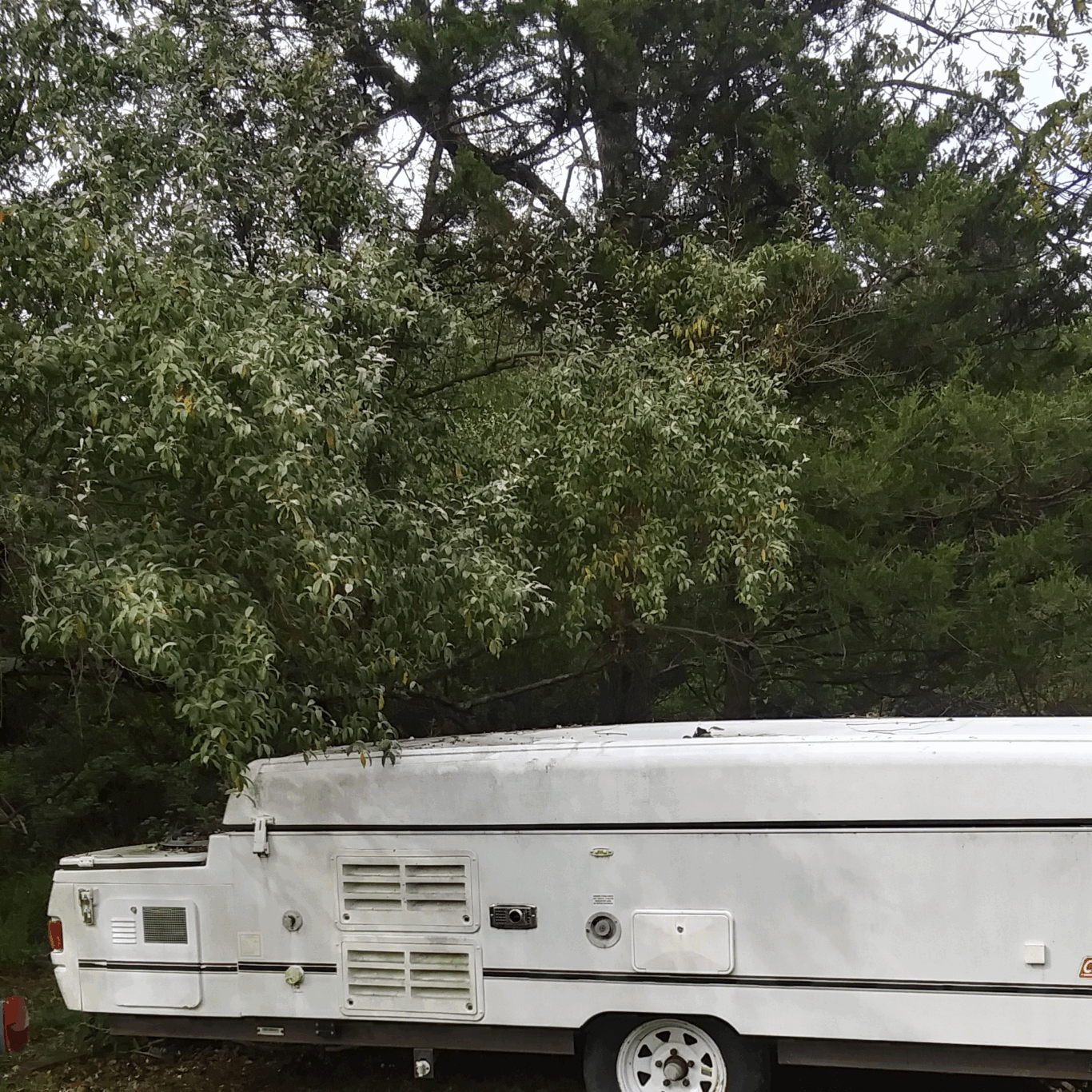
We specialize in eco-friendly removal and recycling services for recreational vehicles, including beloved classics like the Coleman pop-up camper. Whether your trusty Coleman has seen decades of family road trips or it’s time for it to retire, we handle the haul-away with care—ensuring maximum recycling to minimize landfill waste. In this guide, we’ll explore the rich manufacturing history of the Coleman pop-up camper and break down our step-by-step recycling process. Say goodbye to your camper responsibly, and hello to peace of mind.
The Manufacturing History of the Coleman Pop-Up Camper
The Coleman pop-up camper, a staple of affordable, compact camping since the mid-20th century, embodies the spirit of innovation from the iconic Coleman Company—originally founded in 1900 as a supplier of gasoline-powered lanterns and stoves.
en.wikipedia.org Coleman’s venture into folding trailers marked a pivotal expansion into the RV world, blending lightweight design with rugged durability. Here’s a chronological timeline of its production journey:
- 1966-1967: The Birth of a Category
Coleman established its folding trailer division and began manufacturing pop-up campers in 1967 at a dedicated facility in Somerset, Pennsylvania. beckleysrvs.com The inaugural models, part of the CT series (1967-1970), featured simple canvas sides, manual crank lift systems, and compact towing—perfect for families seeking budget-friendly escapes. canvascampers.com - 1970s: Rapid Growth and Market Dominance
Throughout the decade, Coleman refined designs with improved lift mechanisms, better insulation, and optional add-ons like refrigerators and furnaces. By 1979, Coleman had become the world’s #1 manufacturer of folding trailers, producing thousands of units annually and capturing a massive share of the pop-up market. popupportal.com - 1980s: Acquisition and Expansion
In 1989, Fleetwood Enterprises acquired the Coleman trailer division, rebranding them as Fleetwood/Coleman models. popupportal.com The Somerset plant grew into the largest pop-up factory globally, churning out over 100 units per day. Innovations included sturdier aluminum roofs, electric brakes, and family-sized floorplans like the Destiny and Utah series. - 1990s-2000s: Peak Popularity and Challenges
The 1990s saw peak sales, with models emphasizing ease of use and customization. However, economic shifts and rising fuel costs began impacting the industry. In 2008, a new licensing agreement revived the Coleman branding under Fleetwood, introducing updated models with modern amenities until production halted. - 2009-2011: The End of an Era
Fleetwood filed for bankruptcy in March 2009, ceasing pop-up production at the Somerset facility. popupportal.com The final Coleman-branded models rolled off the line in 2011, leaving a legacy of over 40 years and millions of units that introduced generations to the joys of camping. beckleysrvs.com +1 Today, vintage Colemans remain sought-after for restorations, but many owners face the dilemma of end-of-life disposal.
How Your Coleman Pop-Up Camper Can Be Recycled: Our Detailed ProcessPop-up campers like the Coleman are built with recyclable materials—primarily aluminum, steel, canvas, and wood—making them prime candidates for sustainable disposal. Unlike hard-sided RVs, their lightweight, modular design simplifies dismantling, with up to 80-90% of components recoverable for reuse or recycling.
heyrv.com At [Your Company Name], we partner with certified scrap yards, textile recyclers, and e-waste facilities to ensure compliant, zero-waste handling. Here’s how we do it:1. On-Site Assessment and Haul-Away (Free Quote, Hassle-Free Pickup)
- We inspect your camper for salvageable parts (e.g., winches, axles, or appliances) that can be donated or resold to offset costs.
- Secure towing to our processing facility—no need for you to dismantle anything. Fees start at $X (based on location and condition; contact us for a quote).
2. Safe Dismantling and Material Separation
- Metals (60-70% of Weight): Aluminum roof panels, steel chassis, and frame components are cut and sorted for scrap metal recycling. A mid-1990s Coleman, for example, yields high-value aluminum from the roof and stainless steel from sinks. scrapmetalforum.com These are melted down and repurposed into new products, reducing mining demand.
- Textiles and Canvas (15-20%): Tent walls and bedding are removed and sent to textile recycling programs. Weather-resistant canvas can be shredded for industrial rags or insulation material.
- Wood and Interiors (10-15%): Plywood cabinetry and flooring go to wood recyclers for mulch, particleboard, or biomass energy (if untreated).
3. Handling Appliances and Hazardous Materials
- Small appliances (fridges, stoves) are de-gassed and recycled through certified e-waste partners.
- Batteries, propane tanks, and any chemicals are isolated and disposed of per EPA guidelines to prevent environmental harm.
4. Final Eco-Impact and Reporting
- We provide a recycling certificate detailing diverted materials (e.g., “500 lbs of aluminum recycled”). This supports your sustainability goals or tax deductions if donating parts.
- Unsavable remnants (under 10%) head to landfills only as a last resort.
By choosing our service, you’re not just clearing space—you’re extending the lifecycle of materials from a piece of American camping history. Ready to schedule? Contact us today for a free consultation. Let’s keep the adventures going, one recycled camper at a time!