
Resort Pull-Behind Camper Removal and Recycling Services
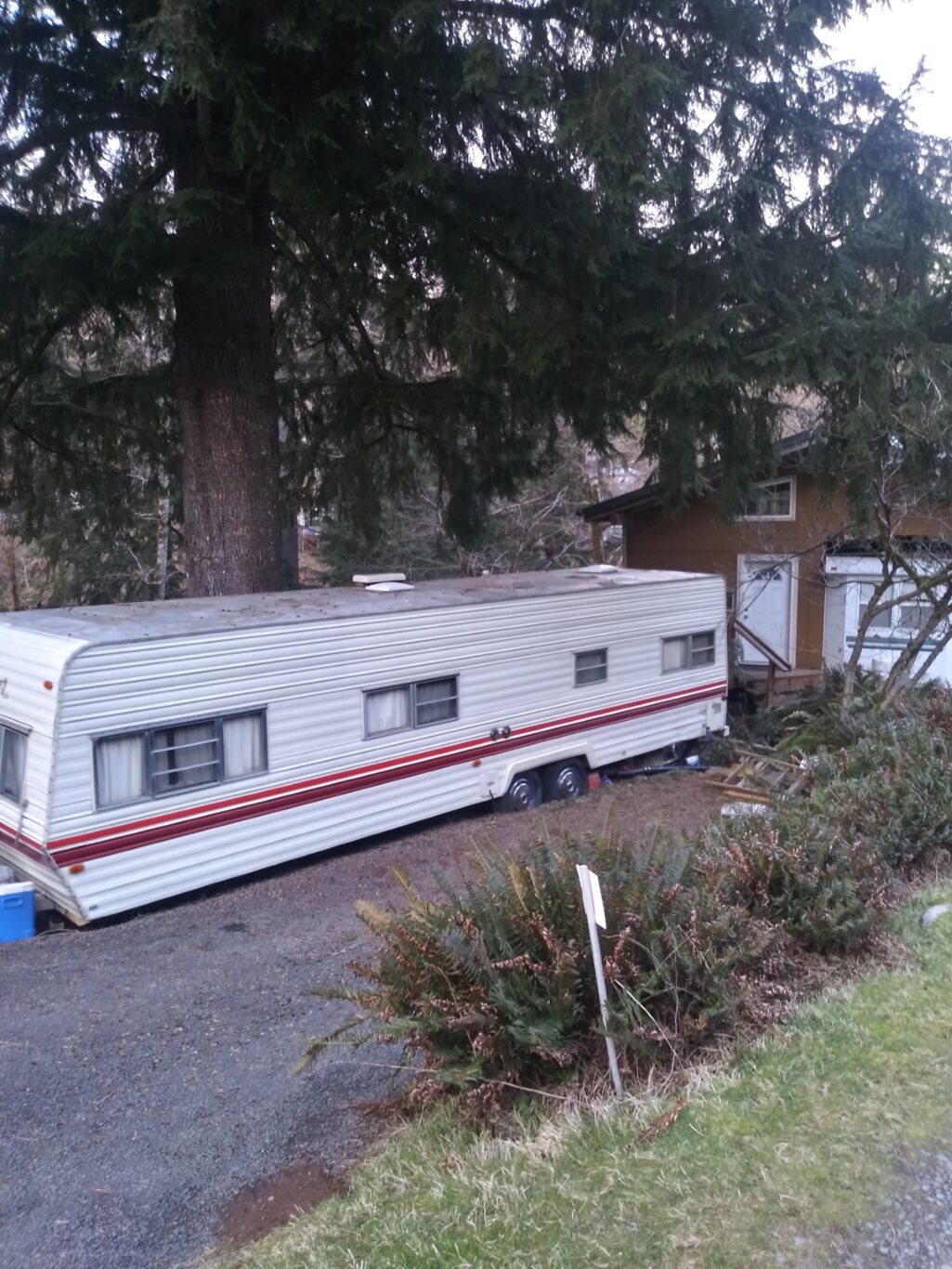
At Remove My Camper, we specialize in the safe, efficient removal and recycling of Resort pull-behind campers, helping owners dispose of their outdated or unwanted RVs responsibly. Whether your Resort camper has served its time on family adventures or has been stationed at a favorite campsite, our team handles the entire process with care, ensuring minimal environmental impact through eco-friendly recycling practices. We haul away nationwide, so no matter where you are in the US, we can come to you.
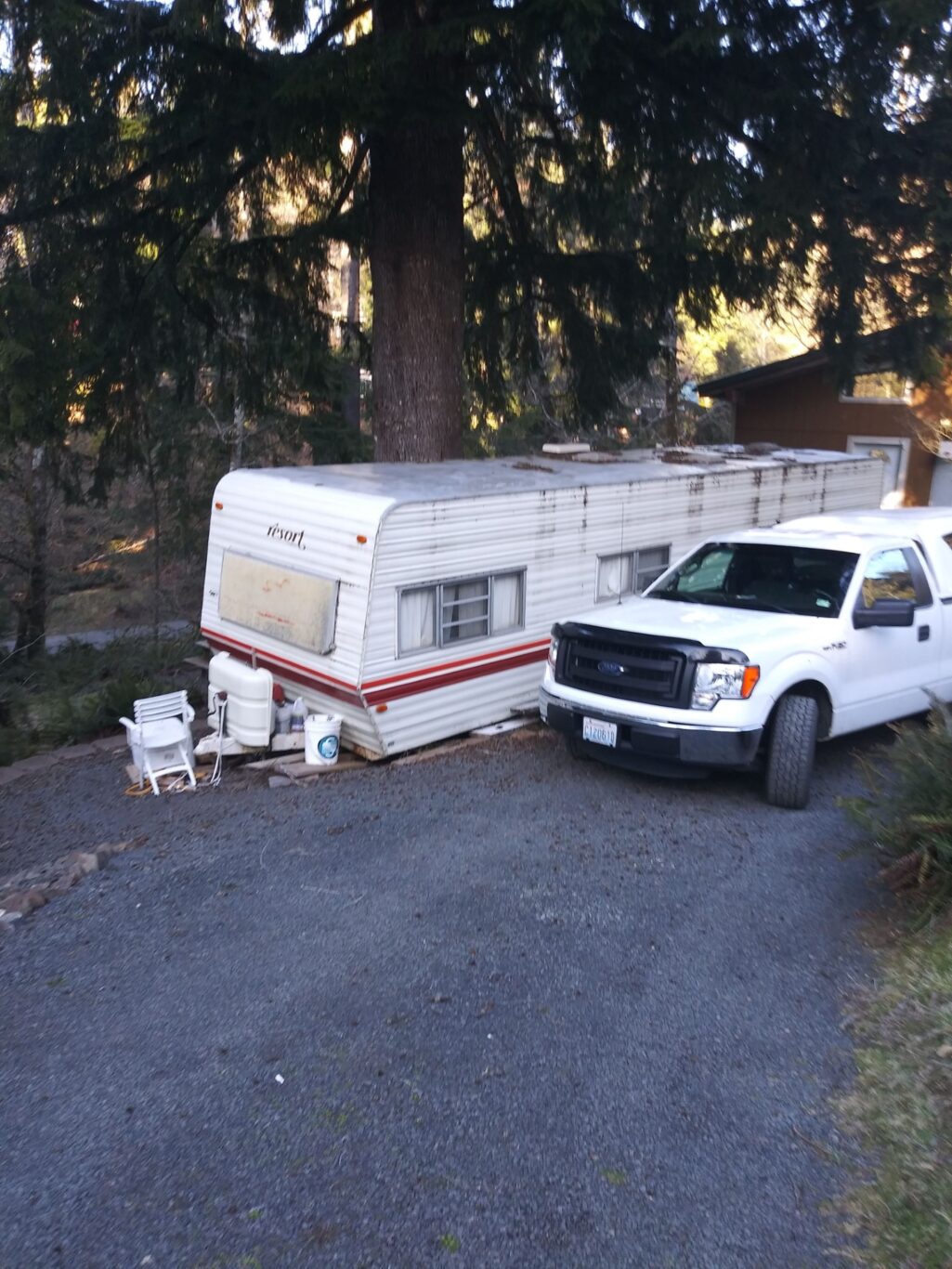
History of the Resort Camper Manufacturer
The history of Resort campers traces back to the broader evolution of recreational vehicles (RVs) in the United States, with roots in the early 20th century when Americans began embracing road travel and outdoor living. While “Resort” models are often associated with park model or destination trailers designed for extended stays at resorts or campgrounds, their development aligns with key milestones in RV manufacturing.
The modern RV industry began around 1910, with early camping trailers produced by companies like Los Angeles Trailer Works and Auto-Kamp Trailers. These initial models were simple towable units, but by the 1920s, innovators like Arthur Sherman introduced mass-produced travel trailers under brands such as Covered Wagon, making camping more accessible. The 1930s saw advancements in design, including streamlined aluminum trailers from Airstream, which survived as the only pre-WWII manufacturer out of over 400.Post-war prosperity in the 1950s and 1960s led to an explosion in RV production, with companies like Winnebago, KZ RV (founded in 1972), and Keystone RV (founded in 1996) entering the market. KZ RV, for example, started with truck campers in a small Indiana gas station and expanded to travel trailers and fifth wheels, emphasizing quality and affordability. Resort-style campers, often wider (up to 8.5 feet) and designed for semi-permanent placement, emerged in the 1970s and 1980s as park models. Manufacturers like Kropf Industries (founded in 1946) pioneered these, blending mobile home features with RV mobility for resort living. Kropf began as a custom builder in Indiana, transitioning to park models in the 1980s to meet demand for luxurious, stationary-yet-towable units.
Today, Resort campers represent a niche in the industry, produced by subsidiaries of major conglomerates like THOR Industries (which acquired Dutchmen in 1991 and Keystone in 2001). These models prioritize comfort for extended stays, with features like full kitchens, bedrooms, and patios, reflecting the industry’s shift toward lifestyle-oriented RVs. Over the decades, advancements in materials, aerodynamics, and sustainability have made Resort campers durable companions for outdoor enthusiasts.
Our Removal and Recycling Process
When it’s time to say goodbye to your Resort pull-behind camper, Remove My Camper makes the process straightforward:
- Free Consultation and Quote: Contact us via phone or our website for a no-obligation assessment. We’ll discuss your camper’s condition, location, and any specific needs.
- Nationwide Hauling: Our professional team operates across all 50 states, using specialized equipment to safely tow or transport your Resort camper, even if it’s no longer roadworthy.
- Eco-Friendly Recycling: We prioritize sustainability. Usable parts like appliances, frames, and furnishings are salvaged and donated or resold. Metals (aluminum, steel) are recycled, while non-recyclable materials are disposed of responsibly to minimize landfill waste. This aligns with industry trends toward greener practices, reducing the environmental footprint of RV disposal.
- Hassle-Free Paperwork: We handle all logistics, including title transfer if needed, so you can focus on your next adventure.
Why choose us? We understand the sentimental value of RVs like Resort models, built for lasting memories. Our service is affordable, reliable, and committed to ethical recycling—helping preserve the outdoors for future generations.