
Understanding Camper Frames: What They Look Like, How They’re Made, and How They’re Rated
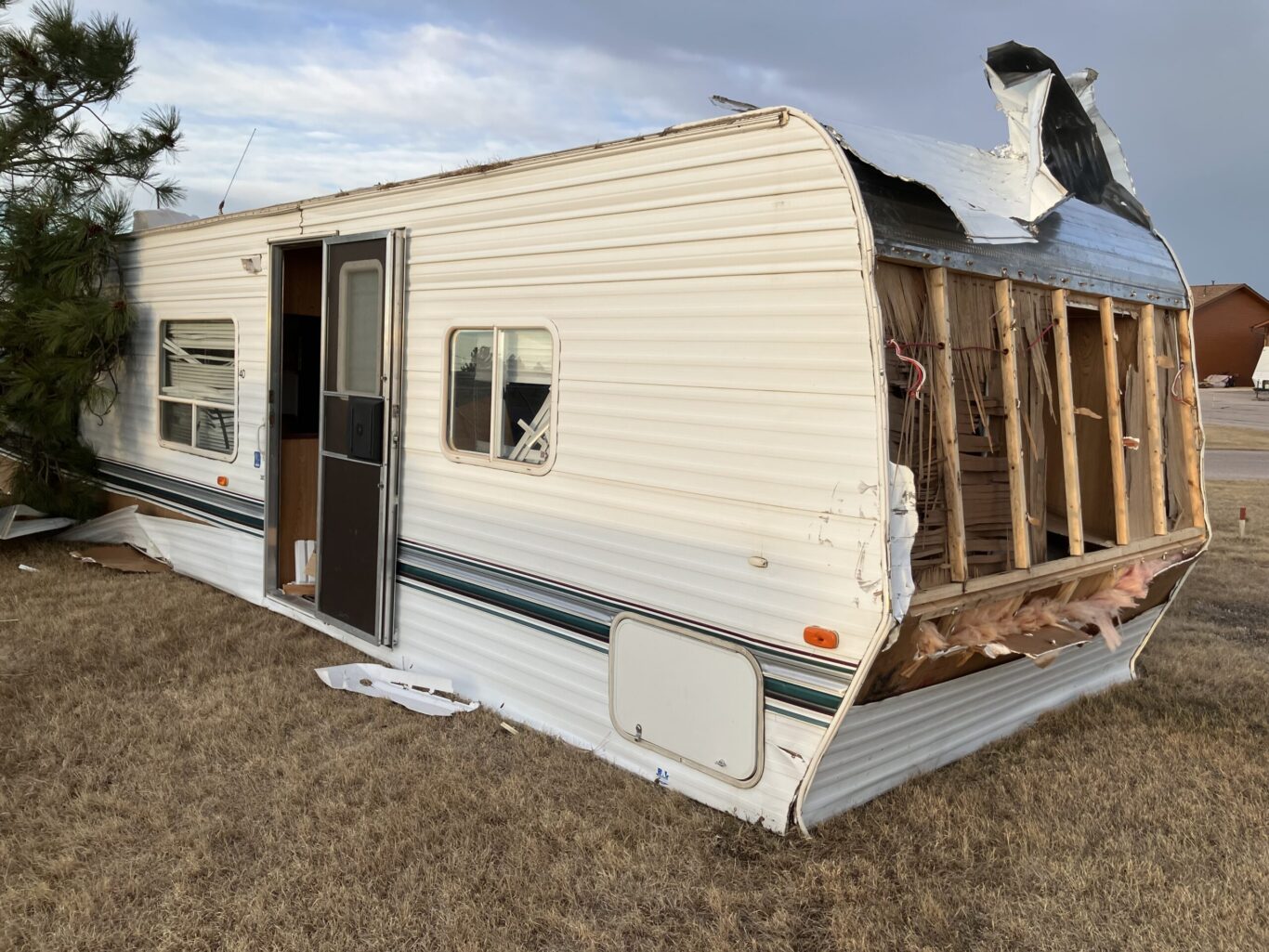
At Remove My Camper, we specialize in the safe and efficient removal of campers, RVs, travel trailers, fifth wheels, and more—nationwide. Whether your camper’s frame is showing signs of wear, rust, or structural failure, our team handles removals across the entire United States, ensuring a hassle-free process from contact to cleanup. If you’re dealing with an old or damaged camper, understanding its frame can help you assess its condition before deciding on removal. Below, we break down what a camper’s frame typically looks like, how it’s manufactured, and how it’s rated for safety and performance.
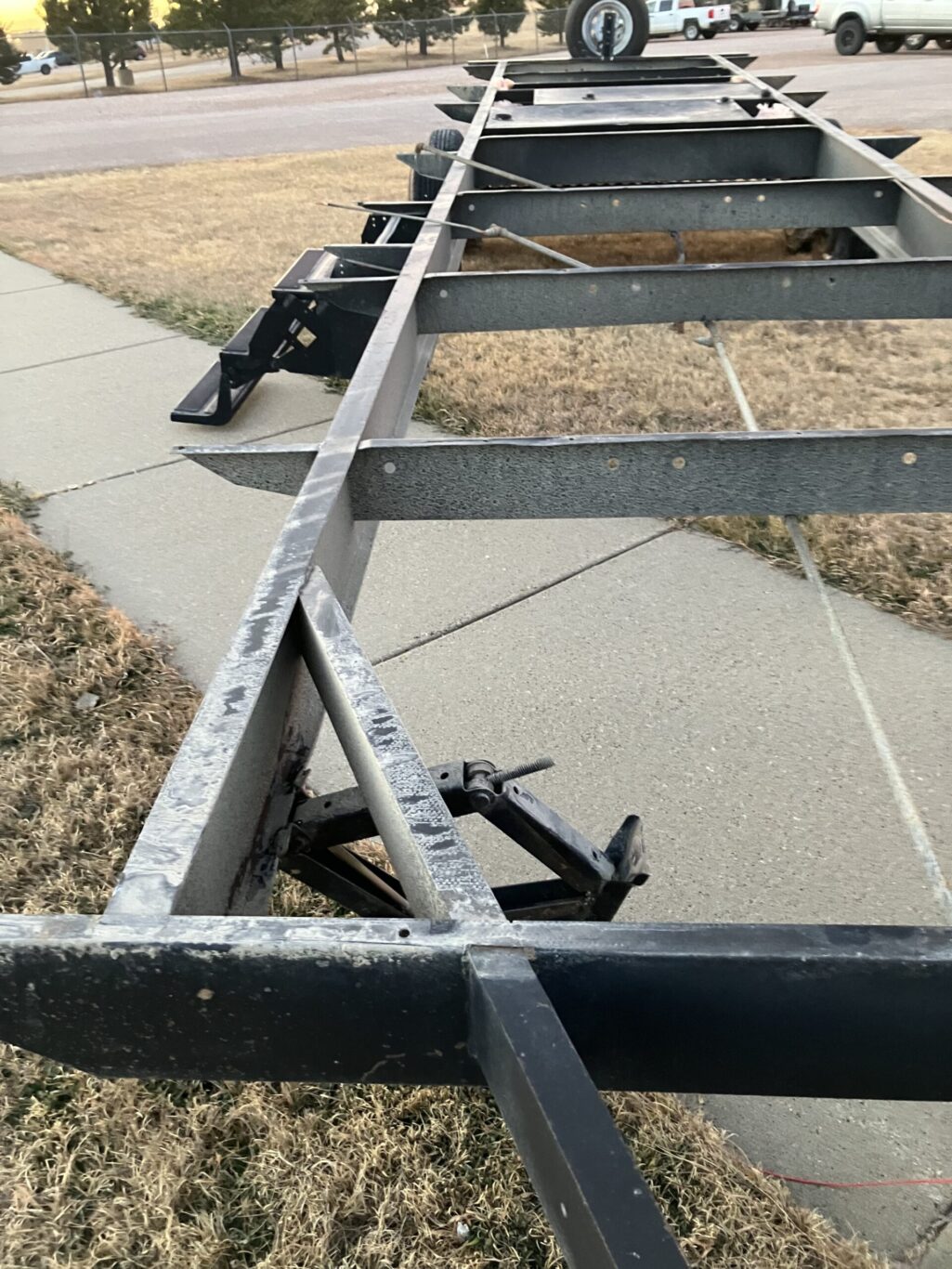
What Does a Camper’s Frame Look Like?A camper’s frame, also known as the chassis, is the foundational structure that supports the entire vehicle. It resembles a robust skeleton made of metal beams, typically arranged in a rectangular or ladder-like configuration.
- Materials and Structure: Most frames are constructed from steel I-beams or box tubing, which provide strength and rigidity. High-end or lightweight models may use aircraft-grade aluminum for reduced weight and better corrosion resistance. The frame includes crossmembers for added support, axle mounts, and hitch points (for towable campers). Visually, it looks like a grid of welded or bolted metal bars under the camper body, often painted or coated black for protection. In some designs, like those from manufacturers such as Lippert or Oliver Travel Trailers, the frame integrates with an aluminum cage that extends into the walls for enhanced stability.
- Common Features: You’ll see suspension components (like leaf springs or axles) attached to the underside, along with mounting points for holding tanks (fresh water, gray water, and black water). Frames can flex slightly under load—this is normal and called “frame flex”—but excessive bending or cracks indicate potential failure, which is why professional removal like ours is often needed for unsafe units.
If your camper’s frame is compromised, contact Remove My Camper for nationwide removal services. We handle everything, including free removals for qualifying vehicles under 25 years old in good condition.
How Are Camper Frames Made?
Camper frames are engineered for durability, towing stability, and weight distribution. The manufacturing process combines advanced technology with skilled craftsmanship, often in specialized facilities.
- Material Preparation: Production starts with cutting high-strength steel bars or aluminum tubing to precise lengths using automated saws or lasers. For steel frames, beams are processed in facilities like Lippert’s, where they’re bent, punched, and prepped for assembly.
- Assembly and Welding: Components are welded together by certified welders to form the main structure. In aluminum frames (common in brands like Airstream or inTech), pieces are fully welded without screws or staples for superior strength. Some manufacturers, such as Northwood or Keystone RV, use thicker 6061-grade aluminum for the superstructure, which is bundled and welded on-site.
- Coating and Finishing: To prevent corrosion, frames undergo e-coating (electrophoretic coating) in large systems, like Lippert’s North American facility. This applies a uniform protective layer. Additional steps include inspection, testing for twists or weaknesses, and bolting the frame to the camper’s body or chassis.
- Specialized Techniques: For fiberglass or laminated campers, the frame is integrated during construction, with the outer shell riveted or bonded. Escape Trailers, for example, use a molded fiberglass process where the frame is embedded for seamless strength.
Modern frames emphasize lightweight yet strong designs to improve fuel efficiency and handling. If your frame has deteriorated from age or poor maintenance, Remove My Camper offers nationwide removal to dispose of it responsibly.
How Are Camper Frames Rated?
Frames are rated based on weight capacities and structural integrity to ensure safe operation. These ratings are determined by manufacturers through engineering tests and must comply with industry standards like those from the RV Industry Association (RVIA).
- Key Ratings Explained:
- Gross Vehicle Weight Rating (GVWR): The maximum allowable weight of the fully loaded camper, including cargo, passengers, and fluids. Exceeding this can strain the frame, leading to flex or failure. Typical GVWRs range from 7,000 lbs for small travel trailers to over 20,000 lbs for fifth wheels.
- Unloaded Vehicle Weight (UVW): The weight of the camper as it leaves the factory, without added items. This helps calculate available cargo capacity (CCC = GVWR – UVW).
- Gross Combined Weight Rating (GCWR): For towable campers, this is the max weight of the tow vehicle plus the loaded camper.
- Axle and Tow Ratings: Axles are rated (e.g., 7,000 lbs per axle), and the frame must support this. Tow ratings indicate how much additional weight (like a boat) the camper can pull.
- Other Factors: Frames are tested for torsion (twisting), bounce, and corrosion resistance. Higher-rated frames use materials like hot-dipped galvanized steel for longevity.
Always check your camper’s ratings on the VIN plate or owner’s manual. Overloaded or poorly rated frames can become hazardous— that’s where Remove My Camper comes in, providing nationwide removal for end-of-life vehicles.Top Ten Insurance Companies That Recommend UsWe’re proud to be recommended by leading insurance providers for RV and camper removal, especially in cases of total loss, damage, or abandonment. Here are the top ten insurance companies that frequently refer clients to Remove My Camper:
- Progressive
- GEICO
- State Farm
- Allstate
- Farmers Insurance
- Liberty Mutual
- Nationwide
- USAA
- Good Sam Insurance
- National General
These companies trust our nationwide service for safe, eco-friendly disposals. If your insurer has directed you here, or if you’re ready to remove your camper, contact us today for a free quote.At Remove My Camper, we’re committed to making camper removal easy, no matter where you are in the U.S. Explore our site for more tips on RV maintenance and disposal!