
Valuing Your Old Non-Running Drivable Camper: A Guide to What’s Worth It
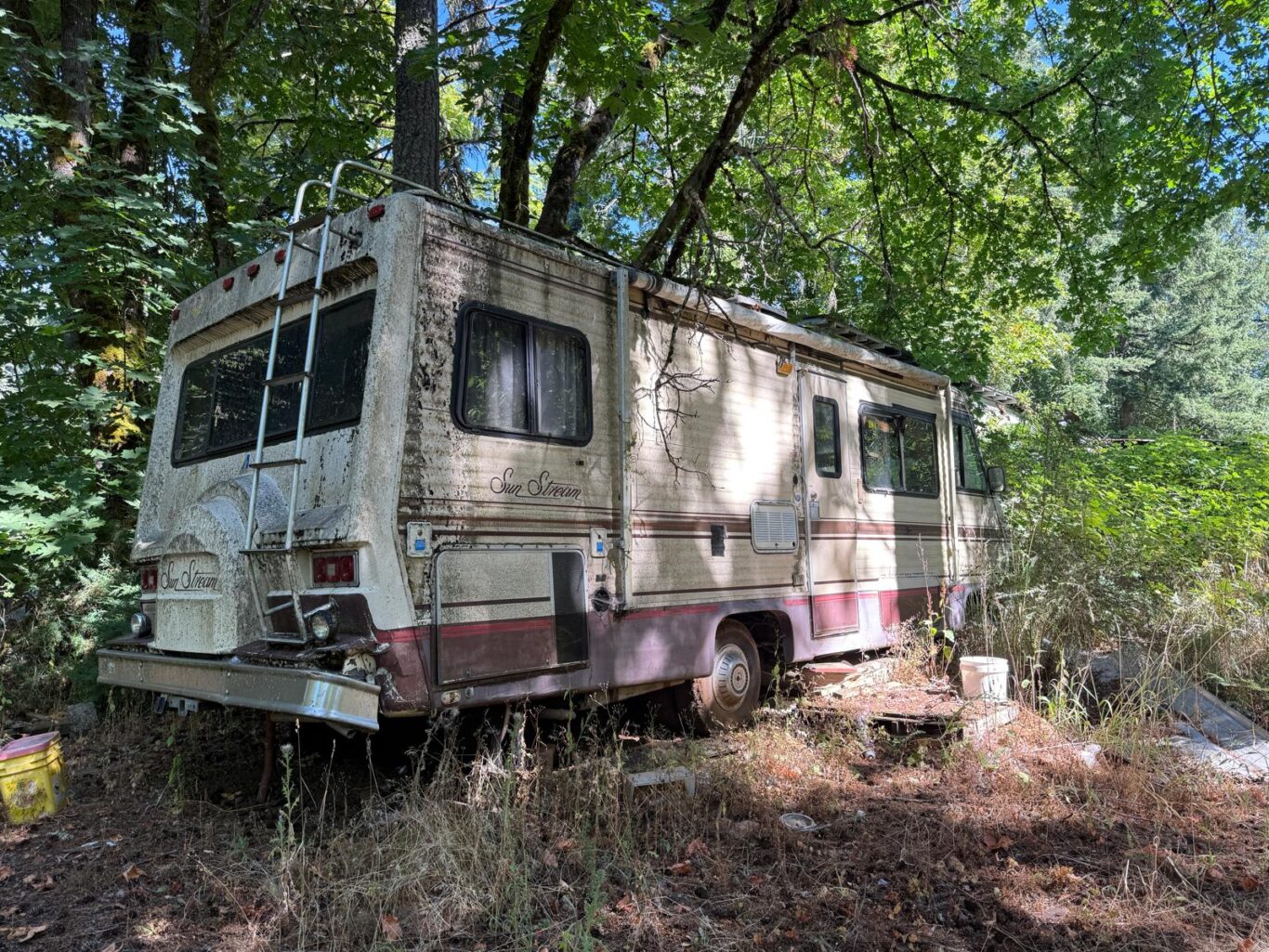
Owning an old drivable camper—think a classic Class A, B, or C motorhome—can bring back fond memories of road trips and outdoor adventures. But when it no longer runs, deciding its worth can feel overwhelming. Whether you’re looking to sell for scrap, harvest parts, or even restore it, understanding the value of a non-operational vintage RV is key. In this guide, we’ll break down the factors that influence its price, how to get an accurate appraisal, and realistic expectations for what you might get. Plus, if you’re inspired to hit the road with a new setup, we’ll cap it off with the top 10 campgrounds in America for 2025 to fuel your next adventure.
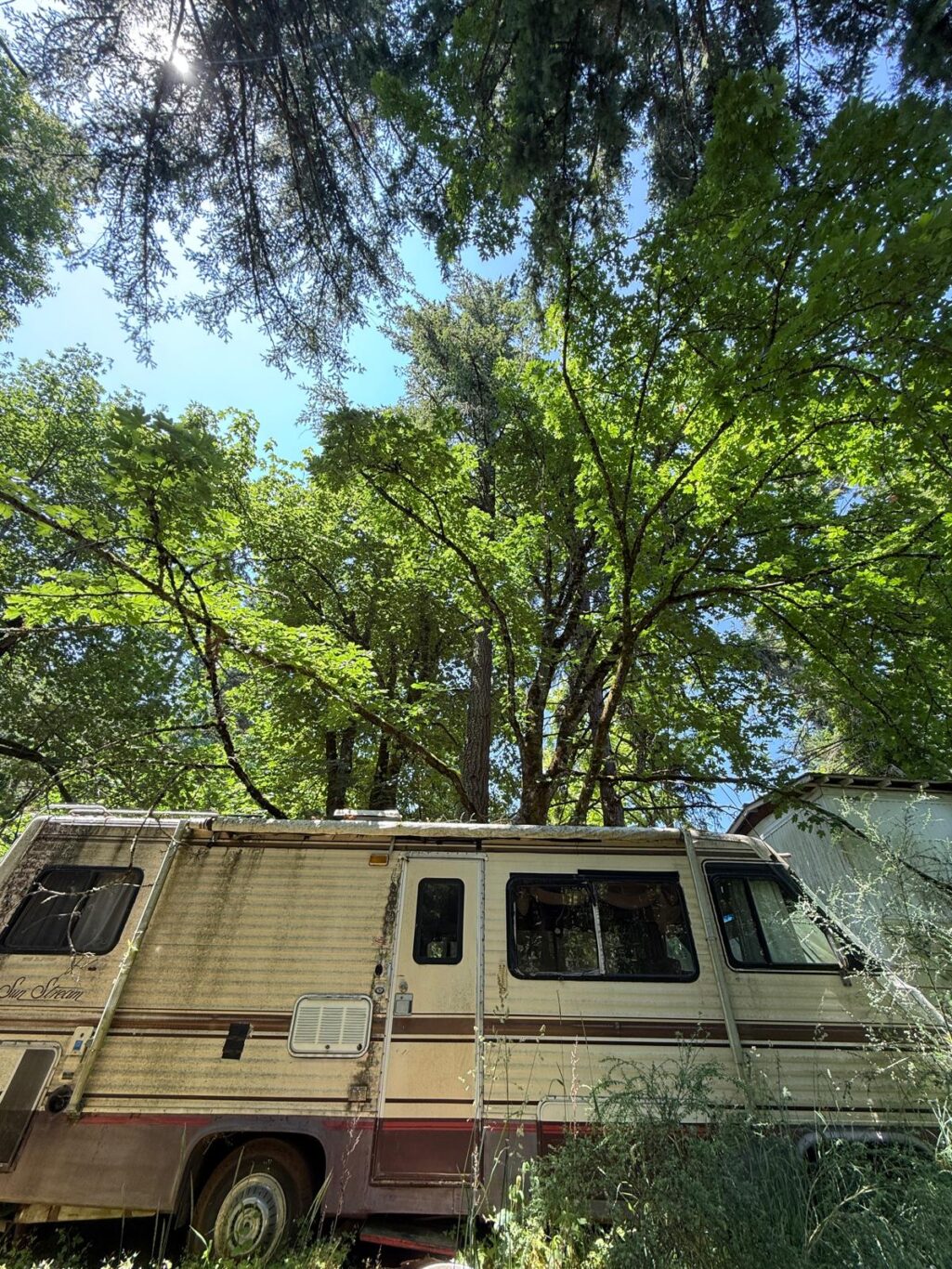
Factors Affecting the Value of a Non-Running Old Drivable CamperThe worth of an old, non-running motorhome isn’t a one-size-fits-all number—it hinges on several variables. Here’s what matters most:
- Age and Model Year: Campers from the 1970s to 1990s often hold nostalgic appeal, but mechanical failures like engine issues or transmission problems drastically reduce value. A 1980s Winnebago might fetch more than a generic 1960s model due to brand recognition.
- Condition and Components: Even if the engine is shot, intact interiors (cabinets, appliances, upholstery) or salvageable parts like generators, AC units, or solar panels can add hundreds to the tally. Rust, water damage, or mold? That subtracts big time.
- Size and Type: Larger Class A motorhomes (30+ feet) have more metal and parts, potentially increasing scrap value. Compact Class B vans might appeal to custom builders.
- Market Demand: In RV hot spots like Florida or California, parts-hungry enthusiasts might pay a premium. Nationally, depreciation hits hard—RVs lose 10-20% of value in the first year alone, accelerating for older, non-functional ones. rvezy.com
On average, a non-running old drivable camper is worth $500 to $5,000. For context:
- Scrap Value: $1,000–$3,000, based on metal weight (aluminum chassis, steel frame) and current recycling rates. An old bus conversion might net $2,000 after sorting materials. quora.com
- Parts or Flip Potential: $2,000–$5,000 if the body is solid and appealing to restorers or DIYers.
- Junk Buyer Offers: Companies like US Junk Cars or HeyRV often pay $500–$2,500 cash with free towing, no haggling. heyrv.com +1
Neglected low-mileage models have sold for as low as $2,000 in private sales, emphasizing patience for the right buyer.
facebook.comHow to Appraise Your Camper’s WorthDon’t guess—use free tools for a quick estimate:
- NADA Guides or Good Sam RV Valuator: Input make, model, year, and condition for an instant report. These account for vintage customizations and provide low/high ranges. goodsam.com +1
- RV Trader Valuation Tool: Great for comparing similar listings, even non-runners. rvtrader.com
- J.D. Power or Online Calculators: Adjust for “poor” condition to simulate non-running status. reddit.com +1
- Local Scrap Yards or RV Salvage Dealers: Get quotes based on photos and VIN—expect 20-30% variance by region.
Pro Tip: Clean it up, take detailed photos, and list on Facebook Marketplace or Craigslist before scrapping. “Value is what someone will pay,” as one expert notes, so niche buyers can surprise you.
youtube.comNext Steps: Sell, Scrap, or Restore?
- Sell As-Is: Platforms like RV Trader or eBay for $1,000+ if parts are viable.
- Scrap It: Quick cash via junk services—eco-friendly if you recycle responsibly.
- Restore?: If you’re handy, engine swaps can turn a $2,000 clunker into a $15,000 gem, but factor in $5,000+ in costs.
Whatever you decide, parting with your old camper opens doors to new journeys. Dreaming of fresh air and starry skies? Check out America’s top campgrounds below—the perfect spots to park your next ride.Top 10 Campgrounds in America for 2025Based on camper reviews, scenery, and amenities, here’s The Dyrt’s annual roundup of the best places to pitch a tent or hook up an RV.
thedyrt.com These spots blend natural beauty with accessibility for all levels of adventurers.
| Rank | Campground Name | Location | Highlights |
|---|---|---|---|
| 1 | Lost Lake Campground — Gunnison National Forest | Paonia, CO | Alpine lake views, hiking trails, wildflowers; tent/RV/equestrian sites; seasonal (June–Sept). |
| 2 | Sandy Springs Campground | Stout, OH | Ohio River vistas, full hookups, family events; cabins and rentals available. |
| 3 | Split Rock Lighthouse State Park Campground | Two Harbors, MN | Lake Superior shores, lighthouse backdrop, cart-in sites for seclusion; biking and beach access. |
| 4 | Alabama Hills Recreation Area | Lone Pine, CA | Desert monoliths, bouldering, stargazing; dispersed sites in Eastern Sierra. |
| 5 | The Wall | Wall, SD | Free dispersed Badlands views, wildlife spotting; windy but epic for boondockers. |
| 6 | North Rim Campground — Grand Canyon National Park | North Rim, AZ | Shaded pines at 8,200 ft, fewer crowds than South Rim; hiking and stargazing (note: closed for 2025 due to wildfire). |
| 7 | White Star Campground — Pike-San Isabel National Forest | Twin Lakes, CO | Mount Elbert base, reservoir activities; shaded loops with trails and fishing. |
| 8 | Scoria Pit | Medora, ND | Free grassland solitude, bison views; primitive dispersed camping. |
| 9 | Town Hall Road — White Mountain National Forest | Chatham, NH | Riverside seclusion, hiking/fishing; no amenities but ultimate backcountry vibes. |
| 10 | Copper Falls State Park Campground | Mellen, WI | Waterfall hikes, electric/non-electric sites, backpack option; rustic cabin available. |
Whether you’re cashing in on your old camper or planning a getaway, these insights should get you rolling. Got a specific model in mind? Drop details for a tailored valuation!