
We Remove Coachman RV’s Nationwide
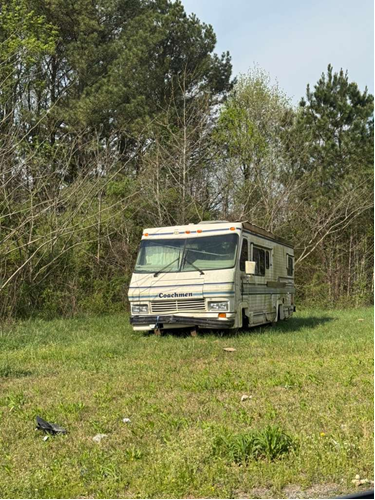
ow to Recycle a Coachmen RV Camper: A Step-by-Step Guide to Responsible Disposal
Recycling a Coachmen RV camper (note: the brand is often spelled “Coachmen”) is an eco-friendly way to handle an old travel trailer or camper that’s reached the end of its usable life. These RVs typically feature fiberglass exteriors, aluminum frames and siding, wood or composite (like Azdel) wall construction, steel chassis, appliances, wiring, and more. While the mix of materials makes full recycling challenging compared to cars, you can recover valuable metals, salvage usable parts, and minimize landfill waste through professional services or DIY efforts.
Proper recycling reduces environmental impact, recovers cash from scrap (aluminum and copper are especially valuable), and complies with U.S. regulations on hazardous waste. Here’s a complete guide based on proven practices.
1. Assess the Condition of Your Coachmen RVBefore anything, evaluate whether recycling is the right path:
- Still roadworthy or repairable? Sell it privately (Craigslist, Facebook Marketplace, or RV Trader) or donate to charities that refurbish RVs for families in need.
- Salvage value only? Proceed to parts-stripping or full scrapping.
- Beyond repair? Focus on recycling.
Take photos and note the model/year for potential buyers or salvage yards. Check the title: You’ll need to transfer or surrender it legally in your state.
2. Prepare and Remove Personal Items & Hazards (Safety First)Never skip this—RVs contain regulated materials:
- Empty personal belongings, food, and loose items.
- Drain and dispose of:
- Propane tanks (take to a certified refill station or hazardous waste facility).
- Batteries (auto parts stores or recycling centers often accept them free).
- Fuel, oils, antifreeze, and refrigerants (from AC/fridge—requires certified handlers).
- Tires (many scrap yards won’t accept RVs with tires attached; recycle separately via tire shops).
- Fiberglass dust and insulation can be irritating—wear gloves, masks, and eye protection.
This “depollution” step is required for most professional recyclers and maximizes your scrap payout.
3. Choose Your Recycling ApproachOption A: Hire a Professional RV Removal/Recycling Service (Easiest) Specialized companies tow away your Coachmen RV (even if it’s non-drivable) and handle dismantling, recycling, and disposal responsibly. Many operate nationwide or regionally:
- Services like RV Removers, Remove My Camper, or RV Disposal (serving all 50 states) prioritize eco-friendly practices: They salvage metals, appliances, and parts before processing the rest.
- Cost: Often free if the RV has value; otherwise a modest towing fee. They manage title paperwork too.
- Search “RV removal near me” or “junk RV disposal [your city]” for local options. rvremovers.com
Option B: DIY Dismantling & Scrap (Most Profitable, Most Work) Ideal if you have space, tools, and time. Many owners net cash this way.https://artifacts.grokusercontent.com/third-party-image
- Rent a large dumpster (40-yard recommended) for non-recyclables like wood, foam, and fiberglass debris. reddit.com
- Strip sellable parts first: Appliances (fridge, stove, AC), furniture, cabinets, windows, doors, and plumbing fixtures. Sell on eBay, Craigslist, or to RV salvage yards.
- Recycle materials:
- Metals: Aluminum siding, frame, and roof; steel chassis; copper wiring. Take sorted loads to a scrap yard—expect payment based on current market rates.
- Fiberglass body: Harder to recycle (resin-bound), but some facilities grind it for reuse in composites or accept it as waste. Check local recycling centers.
- Plastics and glass: Windows, fixtures—sort for municipal recycling where possible.
- Wood/composites: Often landfill-bound unless you repurpose (e.g., for tiny-house projects).
- Haul the bare frame/chassis to a metal recycler or list it free on Craigslist—someone may want it for a trailer build. tinyhouseblog.com
Pro Tip: Call your local scrap yard before arriving. They may require sorted metals and won’t take mixed loads or full RVs.
4. Where to Take It: Salvage Yards & Recycling Centers
- RV-specific salvage yards (e.g., Visone RV, Colaw RV Salvage) buy damaged units, part them out, and recycle the rest. They may pay you a small amount or haul for free. rvlove.com
- General scrap/metal yards accept prepared RVs after you remove hazards and valuables.
- Vehicle recycling centers or auto junkyards increasingly handle RVs.
Use Google or your state’s environmental agency site to find certified facilities. In many areas, landfills won’t accept whole RVs—professional services or DIY prep is mandatory.https://artifacts.grokusercontent.com/third-party-image
5. Legal, Environmental & Cost Considerations
- Title transfer: Notify your DMV and cancel registration/insurance to avoid liability.
- Regulations: Follow EPA and state rules on hazardous waste. Fiberglass RVs like many Coachmen models require extra care to avoid improper disposal.
- Costs: DIY can pay for itself via scrap sales; professional removal is usually $200–$800 depending on location/condition.
- Tax benefits: Donations may qualify for deductions—get receipts.
Why Recycle? The BenefitsRecycling diverts tons of material from landfills, reuses high-value aluminum/steel, and supports the circular economy. One owner who dismantled an old trailer recovered appliances, metals, and even the frame—turning waste into cash and a cleaner planet.