
Home · Camper removal near me · Delaware
Remove My Camper, powered by Arwood Site Services
Delaware is a short drive from end to end, but the jobs are not the same. Wilmington and the north have tighter residential streets and storage lots. Dover sits in the middle of the state. Down toward Rehoboth Beach and the other coastal towns, seasonal park pads, sandy approaches, and salt air show up in the photos — and whether a truck can back up to the camper is often the first practical question after a busy summer.
We work nationwide from Jacksonville, Florida. Send the Delaware city or ZIP with your photos.
There is no general free-removal offer. A camper in really good condition may qualify for free removal, but only case by case, and only after we review photos.
“If you don’t shop our prices, we both lose.”— John Arwood
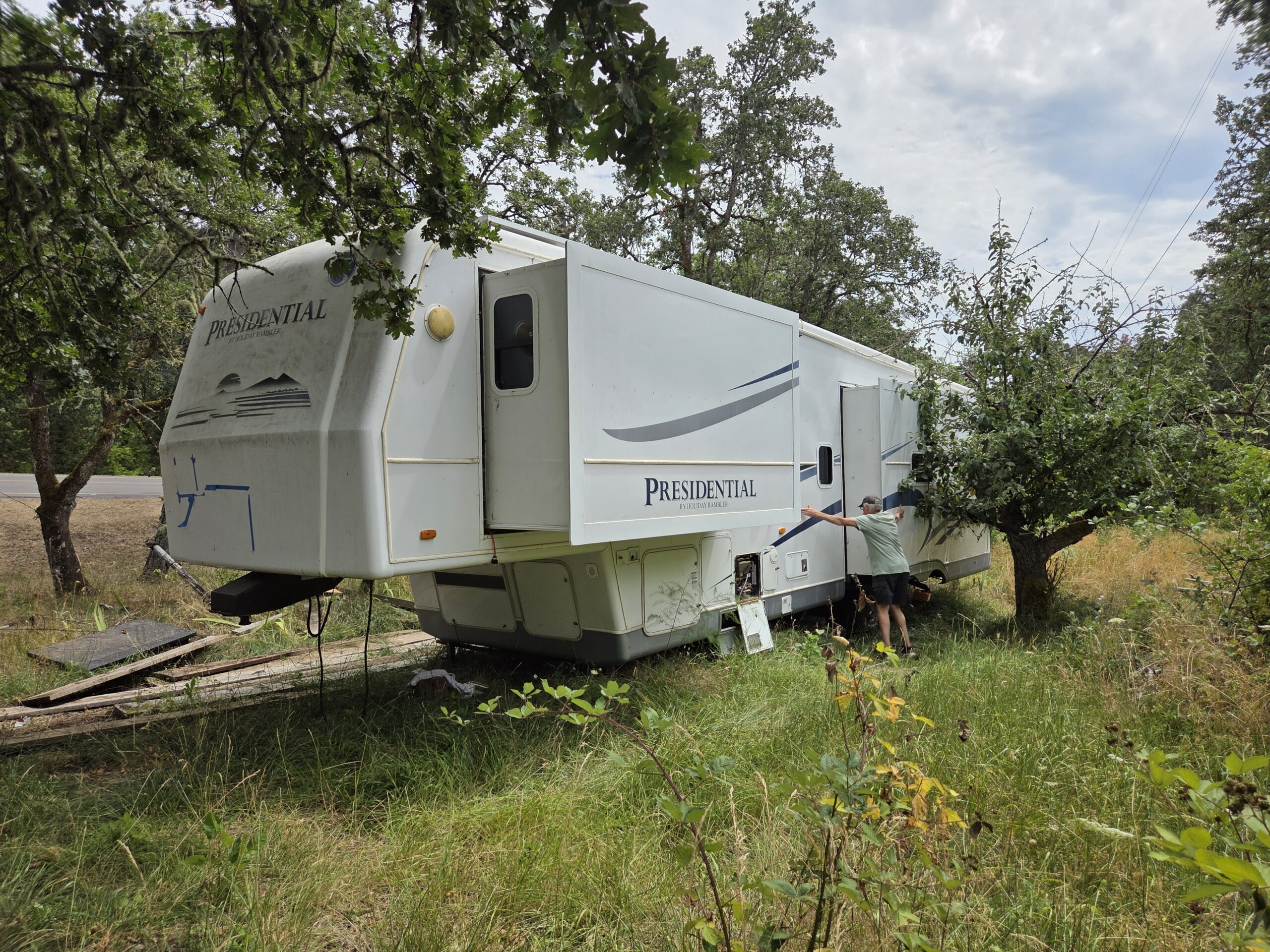
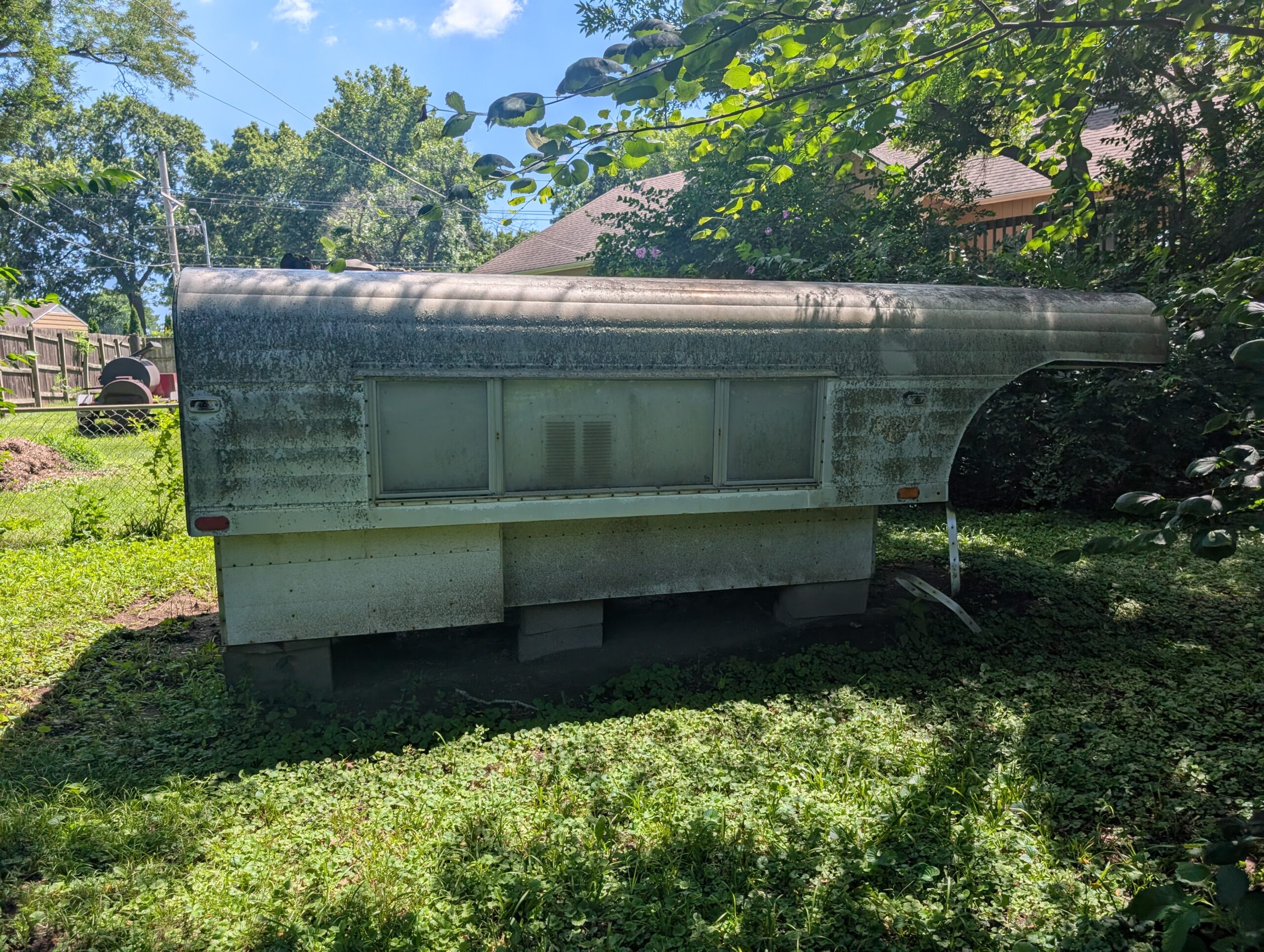
Two things we always need to know
These apply on every Delaware job, whether the unit sits in a driveway, a park, or on acreage:
- Can a truck get access to back up to the camper? If a truck cannot get in and back up to it, the job usually takes more equipment and time.
- Do the tires hold air? Flat, dry-rotted, or missing tires often mean the unit cannot roll out on its own.
Tell us both when you request a quote, and show them in your photos. The calculator treats both as questions that affect the estimate. See the FAQ for more detail.
What we remove in Delaware
Pop-up campers, drivable campers (Class A, B, and C motorhomes and truck campers), pull-behind travel trailers and fifth wheels, and single-wide or double-wide mobile homes. If a camper can be reused in certain applications, we reuse it. If it cannot, we recycle it. Mobile homes are usually taken apart on site.
We work on private land and in RV parks, campgrounds, and mobile home parks.
Title and registration in Delaware
We are not your lawyer, and this is not legal advice. Title and registration rules change. Confirm the current requirement with the official agency before you assume a camper is or is not titled.
The Delaware Division of Motor Vehicles handles certificates of title. Official Delaware Code, Title 21, section 2302, requires a person who purchases or otherwise acquires a new or used trailer after July 1, 1969, to apply to the Department for an original certificate of title, with a full description of the trailer including the maker, serial number, and any liens.
Motorhomes are titled as vehicles. If you have the title, mention it when you request a quote. If you do not, tell us. Confirm current forms and fees with Delaware DMV.
Official sources:
Abandoned campers and vehicles in Delaware
Parks, landowners, and owners of a unit left behind often ask how “abandoned” works. The short version: it is a legal process, not something a removal company can declare on a website. Have your paperwork in order on your side. We will tell you what we need in order to schedule a removal.
Abandoned vehicles in Delaware are addressed in Title 21, chapter 44 of the Delaware Code. Official code text we reviewed describes, among other paths, a process by which a licensed automotive recycler may take in a qualifying abandoned or inoperable vehicle without a certificate of title, obtain the last known owner or secured party from DMV, and give at least 10 days' notice by certified mail; if the vehicle is not reclaimed, the recycler may assume unencumbered title. If the owner or secured party cannot be identified from DMV records or by reasonable diligence, official text describes the recycler assuming unencumbered title after the vehicle has been in the recycler's possession for 30 days. The Secretary of Transportation issues a certificate of title to a purchaser of a vehicle sold under that chapter (section 4406).
Delaware also has a separate court path for abandoned personal property in Title 25, chapter 40, which can include vehicles and requires a petition in a court of competent jurisdiction. Follow the current official code and, when needed, counsel. We do not run those processes. We quote the physical removal when you have the right to release the unit.
Official sources:
Camping and RV-park regions
Delaware State Parks, under the Department of Natural Resources and Environmental Control, is the official state-parks program, with well-used parks along the coast and inland. Private RV parks follow the beach corridor and the north-south highways. Regions we use:
- Wilmington and the north — Tighter residential streets and storage lots.
- Dover and central Delaware — Capital-area lots and a midpoint between the north and the beaches.
- The beaches — Rehoboth Beach and nearby coastal towns, with seasonal pads and sandy or tight approaches.
Official context:
Cities we serve in Delaware
Use the city links below for local pages. This state page has unique, sourced Delaware context.
If your town is not listed, still request a quote and include the city or ZIP.
Photo checklist
- The full unit, from far enough back to see its size and how it sits.
- The path a truck would use, and whether it can back up to the camper.
- Close photos of the tires and wheels.
- The hitch, tongue, or (for a motorhome) the front end.
- Anything in the way or attached.
Add the city or ZIP, the type and length if you know them, and your answers to the two must-knows.
Delaware FAQs
Does a trailer bought in Delaware need a title?
Official Delaware Code section 2302 requires an original certificate of title application for a new or used trailer acquired after July 1, 1969. Confirm current documents with Delaware DMV and tell us what paperwork you have.
After a summer at the beach, the tires are soft and the pad is tight. Can you still take it?
Yes, when a crew can reach it. Tell us whether a truck can back up to the camper and whether the tires hold air, and photograph both the path and the tires.
If a unit is abandoned, is the recycler process the same as hiring you?
No. Title 21, chapter 44 describes an official recycler and DMV process. Hiring us is a quote for physical removal once you have the right to release the unit.
Do you work both Wilmington and the beaches?
Yes, when a crew can reach the unit. They are short miles apart and still separate locations for quoting. Send the city or ZIP.