
Home · Camper removal near me · Florida · Miami
Remove My Camper, powered by Arwood Site Services
Camper and RV removal in Miami, FL
Miami is a South Florida market with a different access problem than Central or North Florida: tight streets, gated lots, and compact park spaces. Remove My Camper, powered by Arwood Site Services, takes jobs here when a crew can actually reach the unit.
Salt air and hard sun are rough on tires and seals. The “do the tires hold air?” question is especially practical here. Units also get parked after a storm and then stay, or they overflow from the Homestead-to-Keys corridor. Those are removal jobs, not a general free pickup.
There is no general free-removal offer. A camper in really good condition may qualify for free removal, but only case by case, and only after we review photos.
“If you don’t shop our prices, we both lose.”— John Arwood
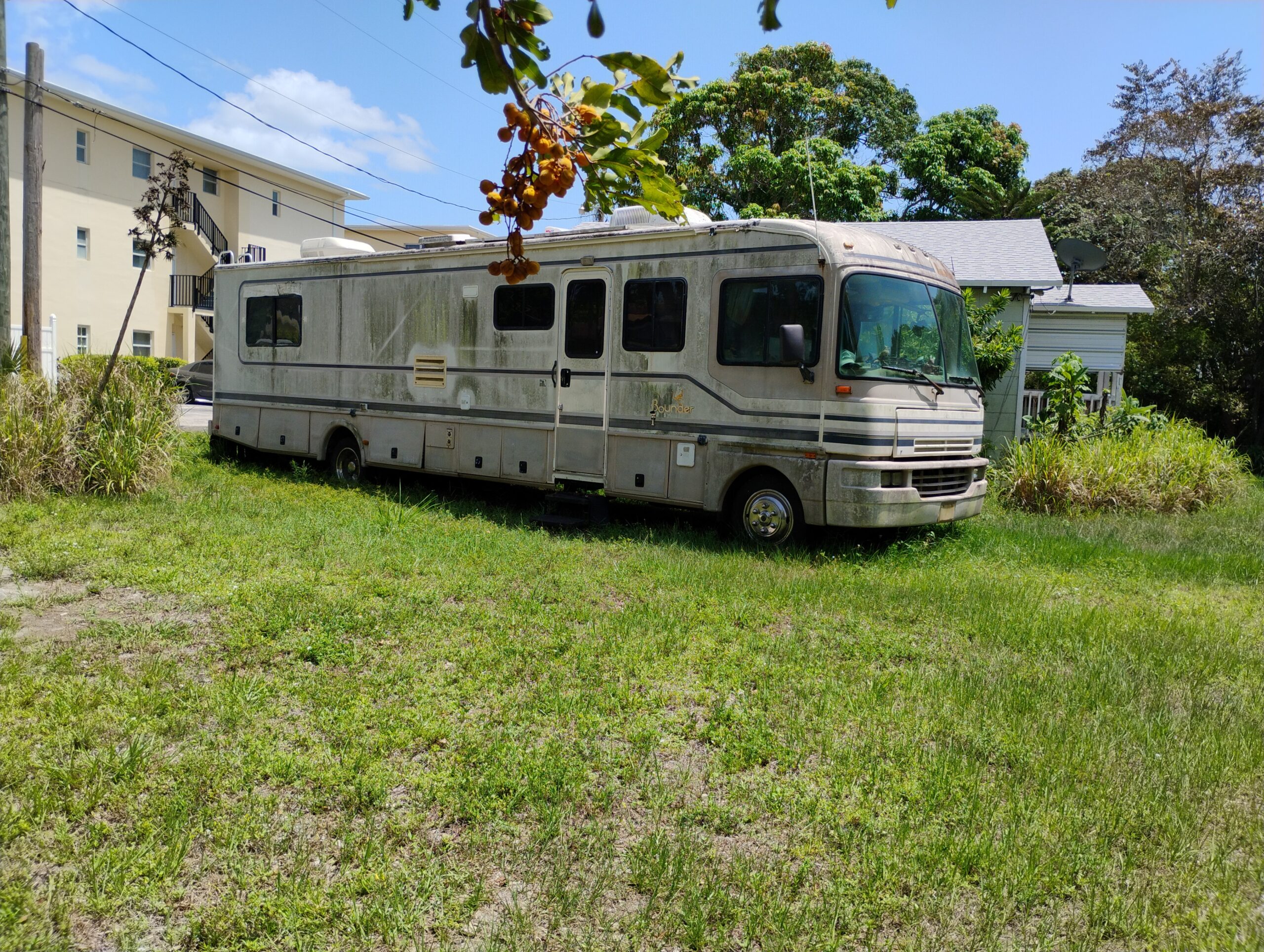
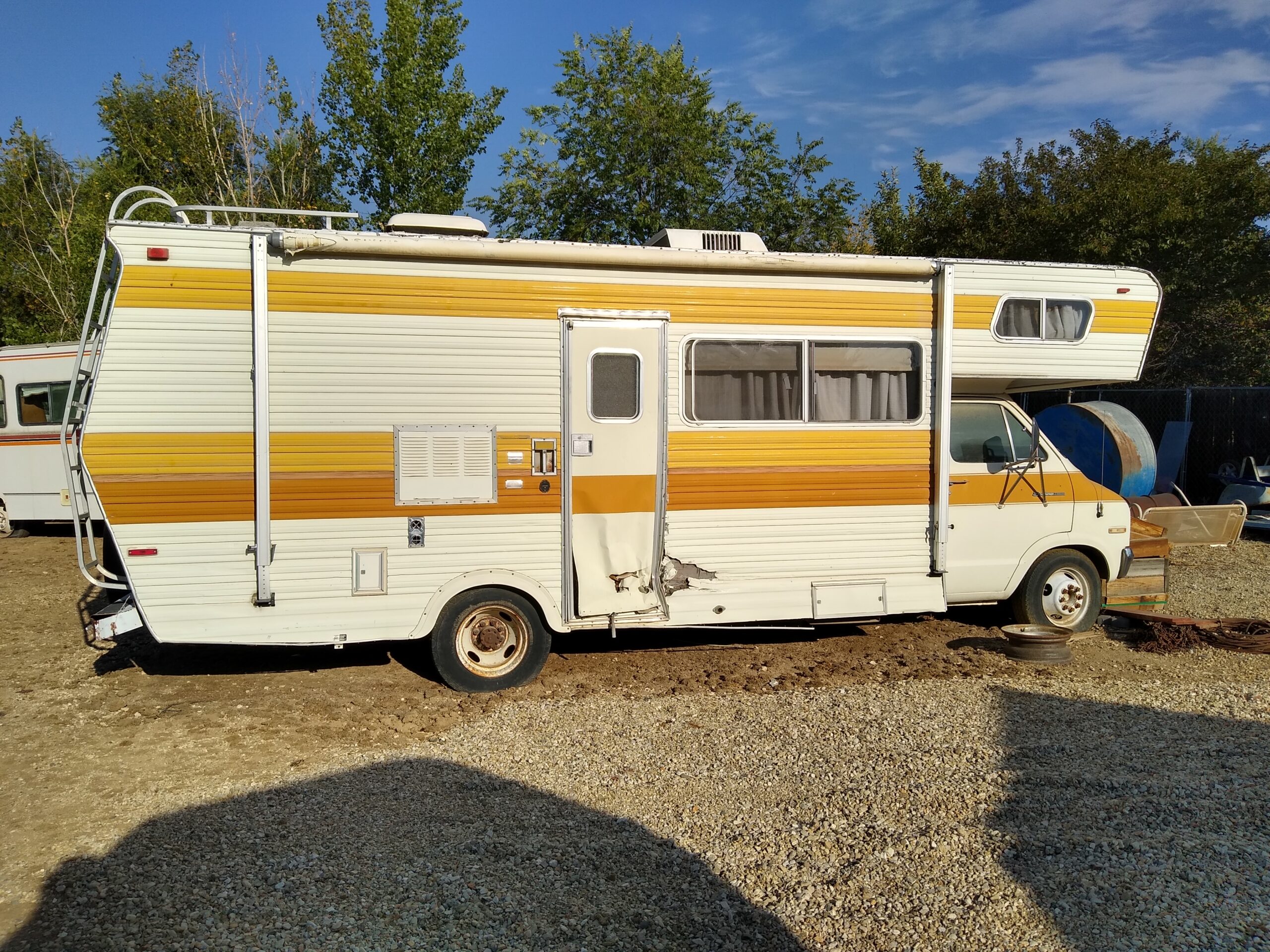
Two things we always need to know
These apply on every Miami job, and they matter even more on tight streets and in gated lots:
- Can a truck get access to back up to the camper? If a truck cannot get in and back up to it, the job usually takes more equipment and time.
- Do the tires hold air? Flat, dry-rotted, or missing tires often mean the unit cannot roll out on its own.
Tell us both when you request a quote, and show them in your photos. The calculator treats both as questions that affect the estimate. See the FAQ for more detail.
What we remove in Miami
Pop-up campers, drivable campers (Class A, B, and C motorhomes and truck campers), pull-behind travel trailers and fifth wheels, and single-wide or double-wide mobile homes. If a camper can be reused in certain applications, we reuse it. If it cannot, we recycle it. Mobile homes are usually taken apart on site.
We work on private land and in RV parks, campgrounds, and mobile home parks.
In Miami we often see compact-lot travel trailers, motorhomes that have sat in salt air, and units that need a careful look at whether a truck can get in at all.
Access, parks, and local conditions
If a truck cannot get down the street, through a gate, or into a compact park space and back up to the camper, the job usually takes more equipment and time. Send photos of the approach, not just the unit. If a gate code, a parking pass, or a manager’s contact is required, include that.
Sun-rotted and salt-worn tires often will not hold air after a long sit. Show the tires and wheels close up. A unit that cannot roll out on its own is still often a job we can take; we just need to see it.
Hurricane-damaged units are a local condition in South Florida. We take burned, flooded, or gutted units, and those are usually paid removals. Photograph the damage and the path out.
The first photo is from a Remove My Camper newsroom post on water-damaged RV removal in Florida; the second is from a 1979 Dodge Cruise Air removal posted as a Florida job. Send current photos of your unit in Miami.
Title and abandoned-unit questions in Florida
We are not your lawyer, and this is not legal advice. For Florida title and abandoned-property rules, see our Florida page.
If you have the title, mention it when you request a quote. If you do not, tell us.
Nearby cities
For statewide title help and official sources, see camper and RV removal in Florida. If your town is not listed, still request a quote and include the city or ZIP.
Looking for a specific make? See camper and RV brands we remove.
Photo checklist
- The full unit, from far enough back to see its size and how it sits.
- The path a truck would use, and whether it can back up to the camper.
- Close photos of the tires and wheels.
- The hitch, tongue, or (for a motorhome) the front end.
- Anything in the way or attached.
Add the city or ZIP, the type and length if you know them, and your answers to the two must-knows.
Miami FAQs
The lot is gated or the street is tight. Can you still get the camper out?
Sometimes yes, sometimes the job takes more equipment and time. That is why we ask whether a truck can back up to the camper. Send photos of the street, the gate, and the path, not only the unit. Include a gate code or manager contact if it will help a crew get in.
The tires have sat in salt air and look dry-rotted. Is that a problem?
It can be. Tires that do not hold air often mean the unit cannot roll out on its own. Show close photos of the tires and wheels. We can often still take the unit; the condition affects how the job is quoted.
Do you take hurricane-damaged campers in Miami?
We take burned, flooded, or gutted units. Those are usually paid removals. Photograph the damage, the path out, and the tires.
How do I get a quote in Miami?
Call (855) 713-6280, email [email protected], or use the contact form. Include photos, access, tire condition, and the city or ZIP. The cost calculator can give a labeled estimate first.